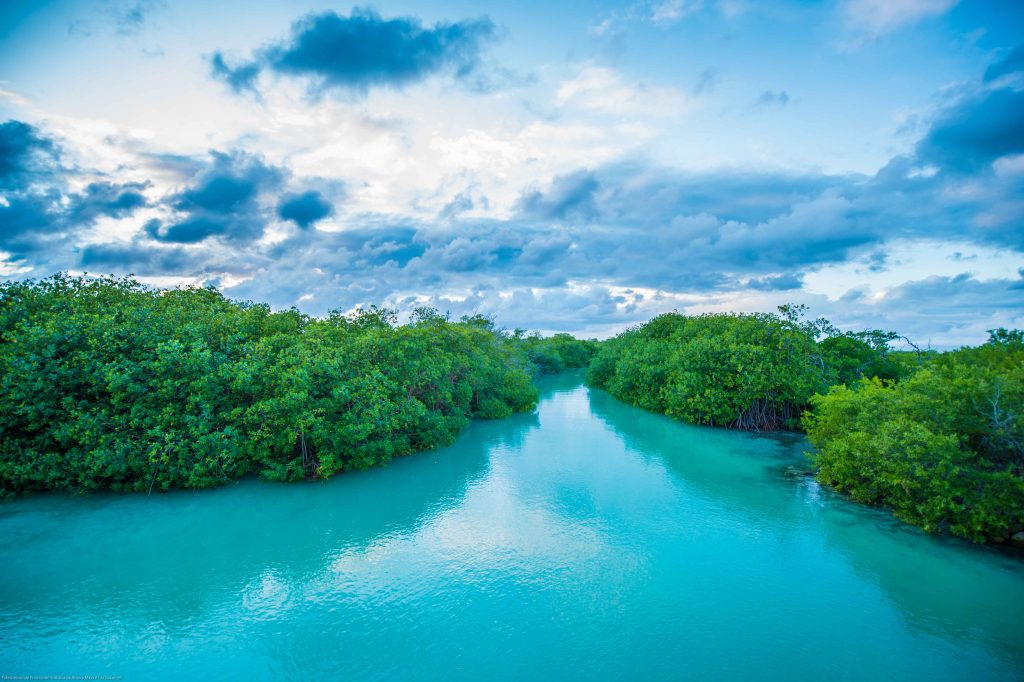
Sian Ka’an: A UNESCO World Natural Heritage Site
The Sian Ka’an Biosphere Reserve was decreed a federal protected area in 1986 and inscribed by UNESCO as a World Natural Heritage Site in 1987. It is one of the most important ecological treasures in Mexico: more than 528,000 hectares of jungle, wetlands, lagoons and sea on the coast of Maya Ka’an. The name comes from Yucatec Maya and is usually translated as “where the sky is born.” Spend one clear morning on the lagoons and you will understand why.
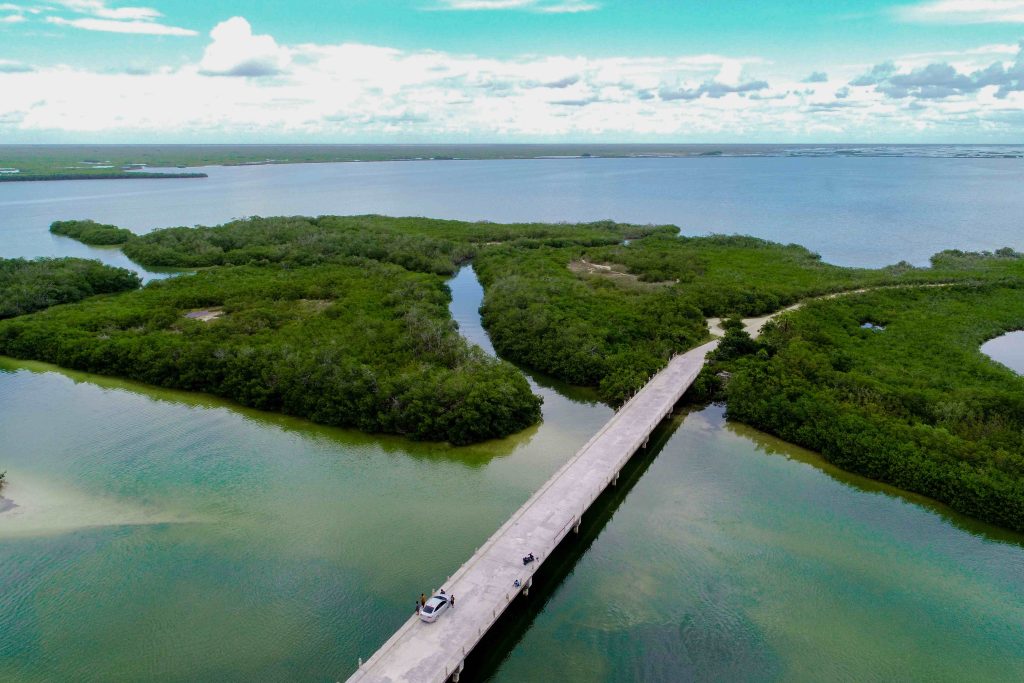
Few places pack so many ecosystems into a single reserve: tropical forest, mangroves, cenotes, coastal lagoons, beaches with hardly a footprint and coral reef. The wildlife list is long, too. Jaguars, manatees and crocodiles live here, and more than 300 bird species have been recorded. Then there are the canals. Next to the archaeological site of Muyil, the ancient Maya linked the lagoons to the sea through narrow channels that formed part of their coastal trade routes. You can still travel them today, with mangrove on both sides and birdsong overhead, and the feeling of moving through a world that people have barely touched.
Visiting Sian Ka’an asks something of you: go slowly, go with a local guide, leave no trace. The reward is real contact with nature. There are boat trips from the fishing village of Punta Allen, bird-watching outings and snorkeling on reefs that belong to the Mesoamerican Reef, the second-largest barrier reef system in the world. It is a delight for the eyes, yes, but also a reminder that places like this survive only if we look after them.