
Protected Areas in Mahahual: Nature’s Treasures of the Costa Maya
The region is home to several protected areas that showcase the beauty of its ecosystems, from coral reefs to mangroves, jungle, and lagoons. They are vital for the conservation of marine and land life, and they give visitors a unique chance to experience nature at its finest. In this post, we explore some of the most important protected areas near Mahahual.
1. Banco Chinchorro Biosphere Reserve: A Diver’s Paradise
Banco Chinchorro is one of the crown jewels of Mahahual’s protected areas and a UNESCO Biosphere Reserve. Located about 30 kilometers off the coast of Mahahual, it is the largest coral atoll in Mexico and one of the largest in the Northern Hemisphere: a labyrinth of reefs, shallow lagoons and mangrove keys that makes it a diver’s paradise.
The reef is home to a wide range of species, including sea turtles, dolphins, nurse sharks, and countless colorful fish. Banco Chinchorro also holds a number of shipwrecks, some dating back to the colonial era, which adds a historical dimension to its underwater beauty.
2. Sian Ka’an Biosphere Reserve: A UNESCO World Heritage Site
The Sian Ka’an Biosphere Reserve lies north of Mahahual: its southern stretch, around the fishing village of Punta Herrero, is about 85 kilometers up the coastal road, while the main entrances near Tulum are farther still. Spanning more than 5,200 square kilometers, this UNESCO World Heritage Site shelters a wide range of ecosystems, including tropical forest, wetlands, mangroves, lagoons, and a significant stretch of the Mesoamerican Reef.
Visitors to Sian Ka’an experience nature in its purest form, with the chance to spot rare wildlife such as jaguars, howler monkeys, and hundreds of bird species. Kayaking, birdwatching, and eco-tours are popular ways to explore the delicate balance of the ecosystems that thrive in the reserve.
3. The Reef off Mahahual: Part of the Mesoamerican Reef
The waters off Mahahual are part of the Mesoamerican Reef, the second-largest barrier reef system in the world, which runs from the Yucatán Peninsula to Honduras.
The reefs along this coast are known for excellent snorkeling and diving, where you can encounter sea turtles, rays, lobsters and many species of fish. The stretch directly in front of Mahahual is not a decreed protected area, but it is flanked by two that are, Banco Chinchorro offshore and the Xcalak reef park to the south, and local operators follow conservation rules so that tourism does not damage the coral.
4. Xcalak Reef National Park: A Quiet Coastal Reserve
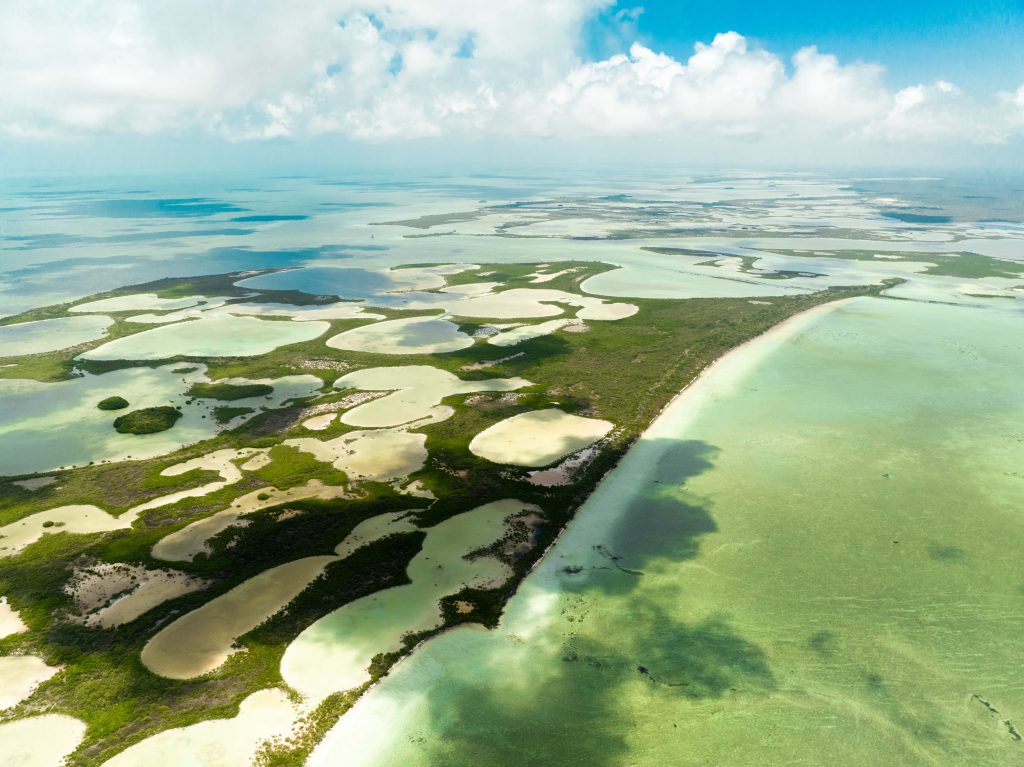
Xcalak Reef National Park (Parque Nacional Arrecifes de Xcalak) is another marine protected area within the larger Mesoamerican Reef system. The park covers both marine and coastal ecosystems, including coral reefs, mangroves, seagrass beds, and lagoons. Xcalak is a haven for eco-tourists looking for a quieter, less developed alternative to the region’s larger resorts.
The area is especially famous for bonefishing and other catch-and-release fishing, with strict regulations that keep local fish populations sustainable.
5. Uvero Lagoon: A Mangrove Ecosystem
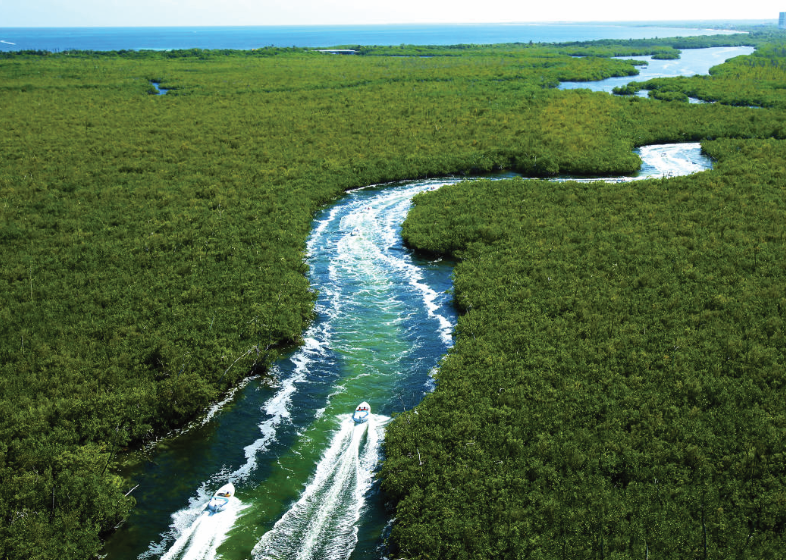
North of Mahahual, Uvero Lagoon is a mangrove lagoon that offers a unique chance to explore this ecosystem. It is not a formally decreed protected area, but mangroves are protected by Mexican law wherever they grow, and for good reason: they shelter fish, birds and other wildlife, and they act as a natural barrier against storms and coastal erosion.
At Uvero Lagoon, visitors can take boat tours through the mangroves to observe birds, crabs, and the other wildlife that depend on this rich habitat. The lagoon is a great option for anyone who wants to venture beyond Mahahual’s beaches and see a different side of its natural beauty.
6. Punta Herradura: Coastal Wetlands
Punta Herradura is a stretch of coastal wetland near Mahahual that provides habitat for migratory birds and a variety of marine species. Wetlands like this play an essential role in the region’s ecological balance, serving as nurseries for fish and supporting biodiversity through their rich ecosystems.
Guided tours let visitors explore this unique environment, home to herons, pelicans, and other birds. The wetlands are a quieter, lesser-known attraction, perfect for birdwatchers and nature lovers who want to experience Mahahual’s biodiversity away from the usual tourist trail.
The Magic of Mahahual
Mahahual is not only a paradise for beachgoers and divers, but also a region committed to protecting its natural environment. From the vibrant reefs of Banco Chinchorro to the expansive wetlands of Uvero Lagoon, the protected areas around Mahahual let visitors connect with nature while helping to preserve the region’s rich biodiversity. Whether you’re exploring the underwater wonders of a coral reef or kayaking through mangroves, Mahahual’s protected areas offer unforgettable experiences for eco-conscious travelers.
You can also visit our Instagram

