
The Flavors of the Grand Costa Maya
The Grand Costa Maya, the stretch of southern Quintana Roo that takes in Chetumal, Bacalar and Mahahual, is known for its beaches, its lagoons and its Maya heritage. It deserves to be known for its food too. The cooking of the Grand Costa Maya sits where three traditions meet: Mexican, Maya and Caribbean. Belize is right across the border, the sea is never far, and both leave their mark on the plate. Here is what to look for.
1. Fresh Seafood
With the Caribbean at the door, seafood takes the lead. Ceviche and pescado frito (whole fried fish) are the everyday favorites, made with whatever came in that morning. The ceviche here is usually shrimp, fish or conch, cured in lime juice and tossed with tomato, onion, cilantro and chili. Cold and sharp, with a bit of heat: exactly what you want after a morning on the beach.
Then there is tikin xic, a dish from the Yucatán Peninsula. A whole fish is butterflied, rubbed with achiote and citrus, wrapped in banana leaves and cooked over coals. The smoke, the leaf and the red achiote paste do most of the work. It is Maya technique applied to the catch of the day.
2. Maya Cuisine
The region’s Maya roots show up on every menu. The best-known dish is cochinita pibil: pork marinated in achiote and sour orange juice, wrapped in banana leaves and slow-cooked in a pib, an earth oven dug into the ground. It comes with pickled red onion and habanero salsa. Savory, tangy and hot, in that order.
Sopa de lima is the gentler counterpart, a light chicken broth sharpened with lime juice and topped with crisp tortilla strips. Order it as a starter, or make it lunch when the afternoon is too warm for anything heavier.
3. Caribbean Influences
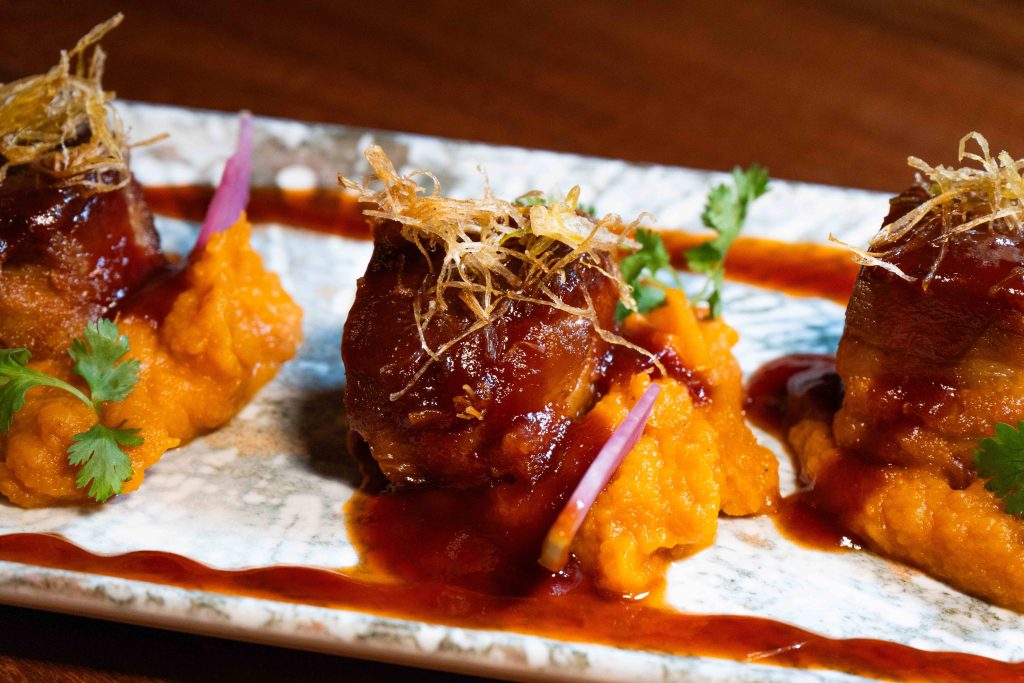
Belize is just south of Chetumal, and its cooking crossed the border long ago. Rice and Beans, rice and beans simmered together in coconut milk, is a Belizean staple that Chetumal has made its own, usually with stewed or grilled meat on the side. Then there is the fruit that grows everywhere in this climate, mango, papaya and guava among it, which ends up in desserts and cold drinks.
4. Street Food and Local Markets
For a taste of daily life, head to the markets of Chetumal. The Mercado Ignacio Manuel Altamirano, which locals call the Mercado Viejo, is the place for tacos de pescado, panuchos (fried tortillas filled with beans and topped with meat and pickled onion) and empanadas stuffed with cheese or meat.
Save room for a marquesita: a crisp rolled wafer filled with shredded Edam cheese, with something sweet added if you like. It was invented in Mérida in the 1930s and has since spread across the whole Yucatán Peninsula, the Grand Costa Maya included.
5. Refreshing Drinks
The heat calls for something cold. Aguas frescas of tamarind, jamaica (hibiscus) or watermelon are the standard non-alcoholic choice. If you spot tascalate on a menu, order it: a Chiapas drink of pre-Hispanic origin, a brick-red powder of toasted corn, cacao, achiote and cinnamon whisked into cold water or milk.
For something stronger, the peninsula’s classic liqueur is xtabentún, made from anise and honey. The recipe as it is bottled today dates from the 1930s, but it descends from balché, the fermented honey drink the Maya used in their ceremonies. Sip it neat after dinner.
The cooking of the Grand Costa Maya tells the region’s story: Maya technique, a Mexican pantry and a Caribbean neighbor at the table. A ceviche on the sand in Mahahual, cochinita in a family-run restaurant in Bacalar, a panucho eaten standing up in a Chetumal market. Come hungry.
Follow us on Instagram for travel inspiration and the best of Mexico’s Caribbean ✨

