


Bacalar
Float - Relax - Repeat
Bacalar
The Pueblo Mágico on the Lagoon of Seven Colors
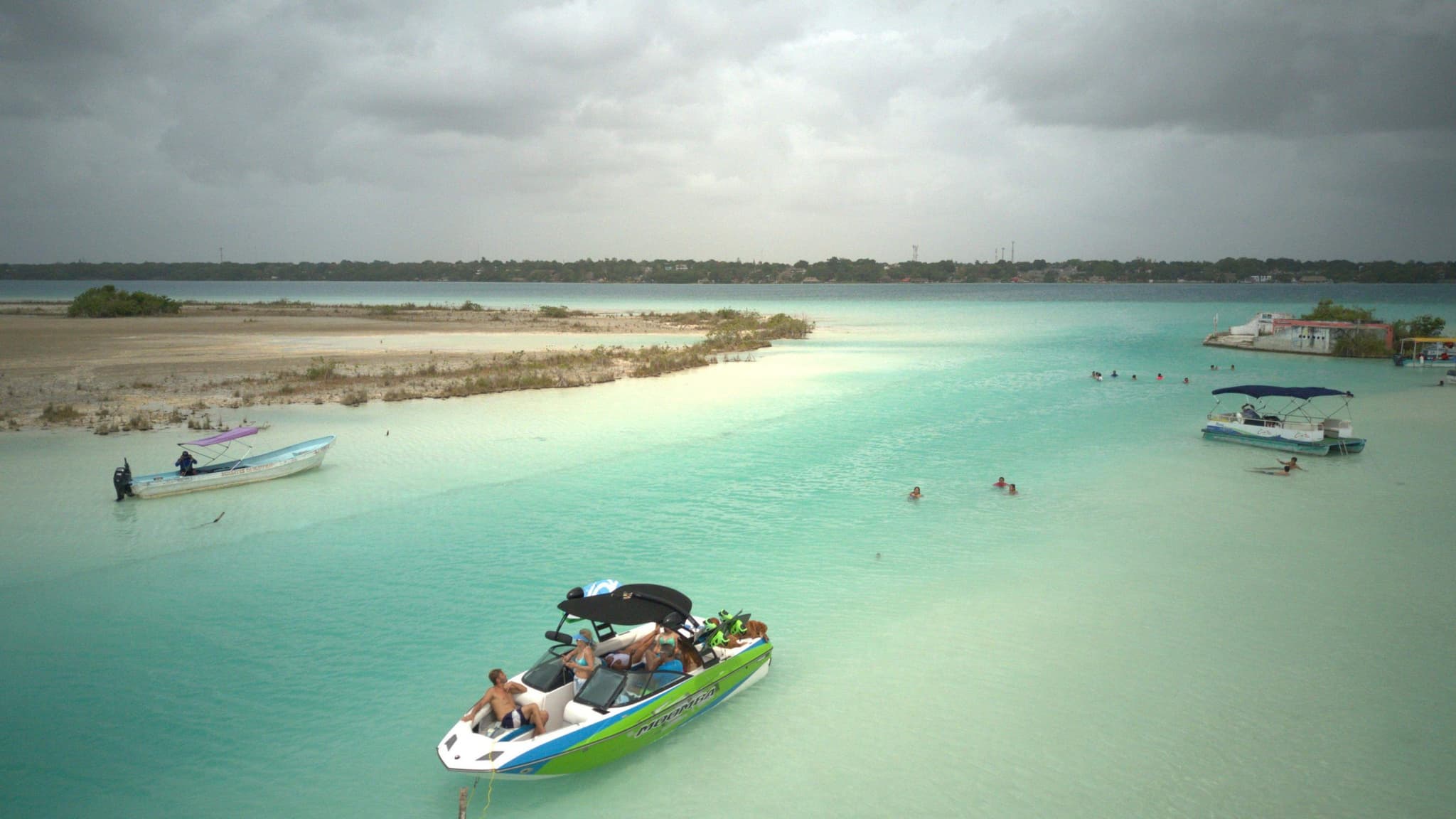
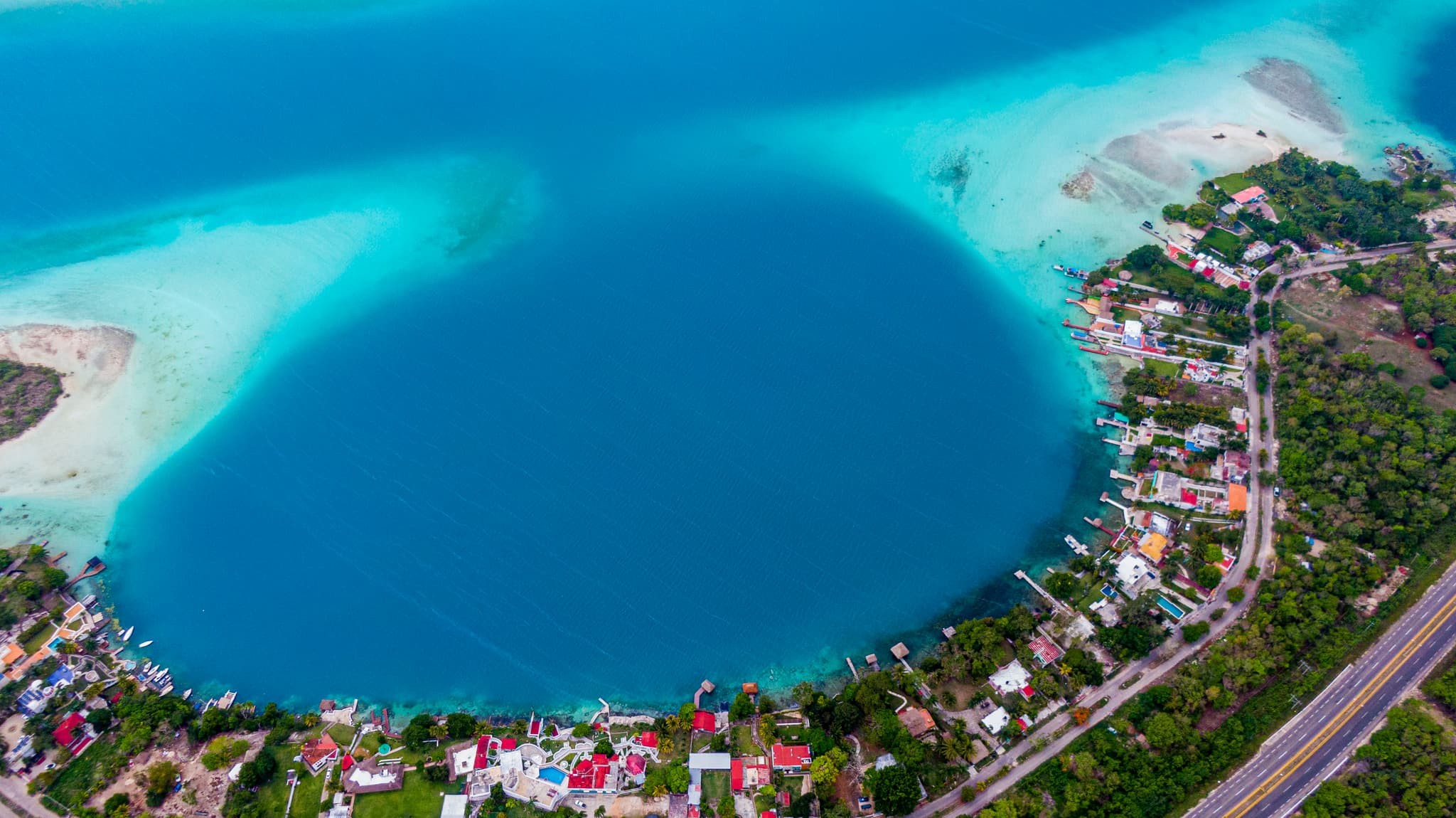
Bacalar is a Pueblo Mágico (one of Mexico's "magical towns") half an hour from Chetumal, on the Lagoon of Seven Colors, a freshwater lagoon whose blues shift with depth and light.
Nearby are cenotes, the Pirates' Canal and its stromatolites, the San Felipe Fort, now a museum, and, within an hour, the Maya sites of Chacchoben, Dzibanché and Kohunlich.
- Right now
- 79°F (26°C)Partly cloudy
- Best for
- Lagoon, sailing and relaxing
- When to visit
- Year-round; the most pleasant weather from November to May
- Stromatolites
- In the Pirates' Canal and Cocalitos
Getting here
Airport
Tren Maya
Bus
Bacalar in motion
The lagoon
Explore the lagoon by kayak, sailboat or pontoon
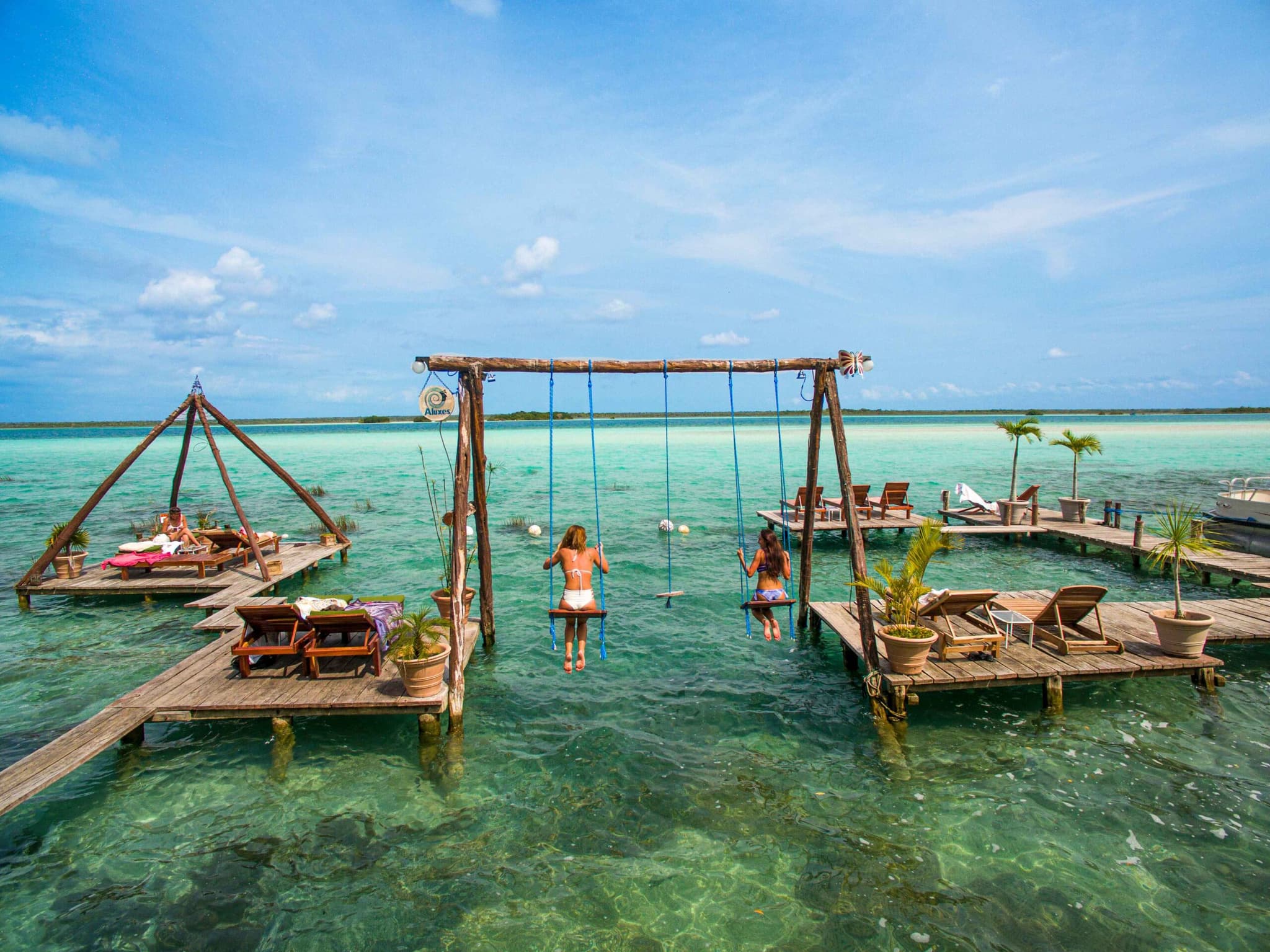
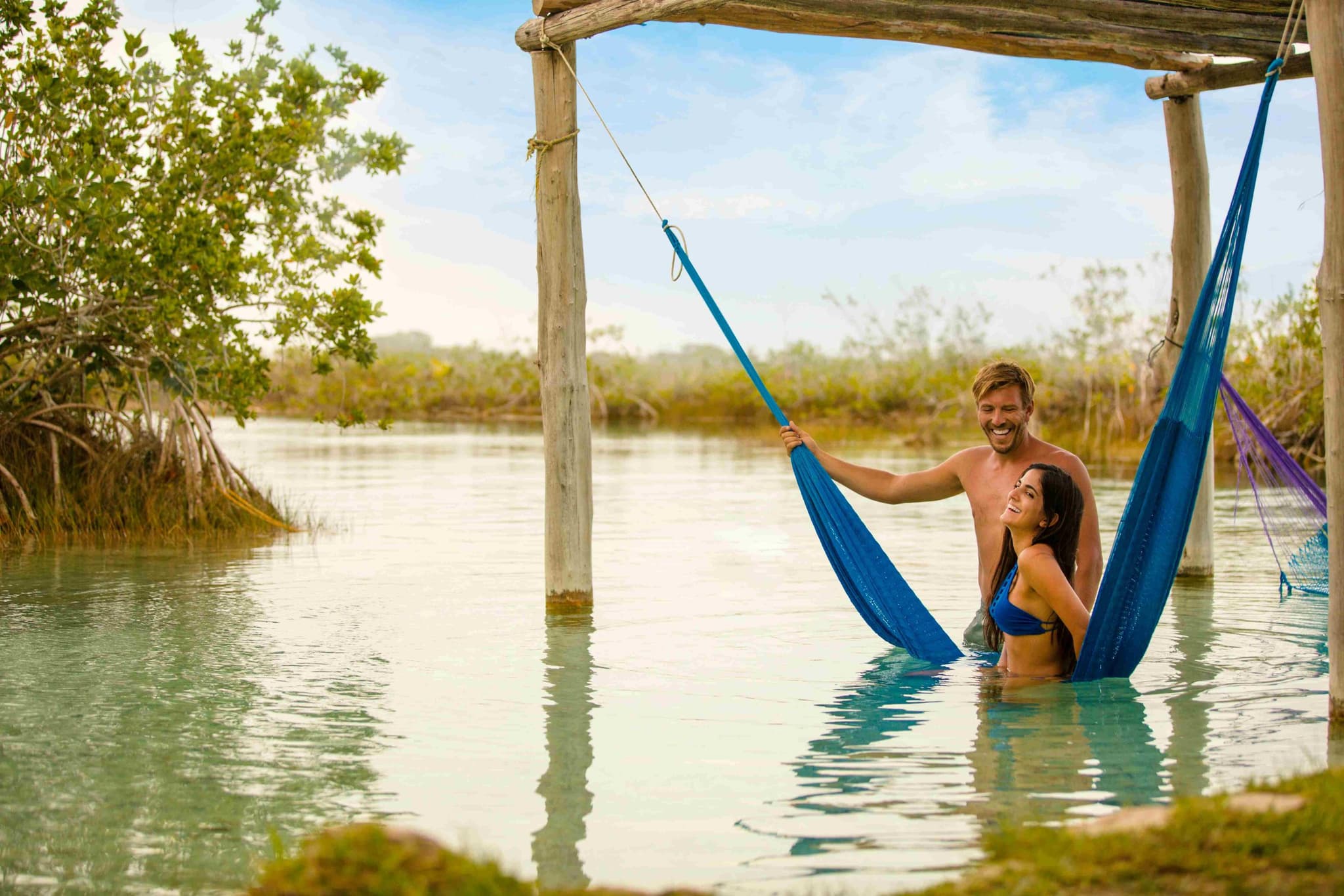
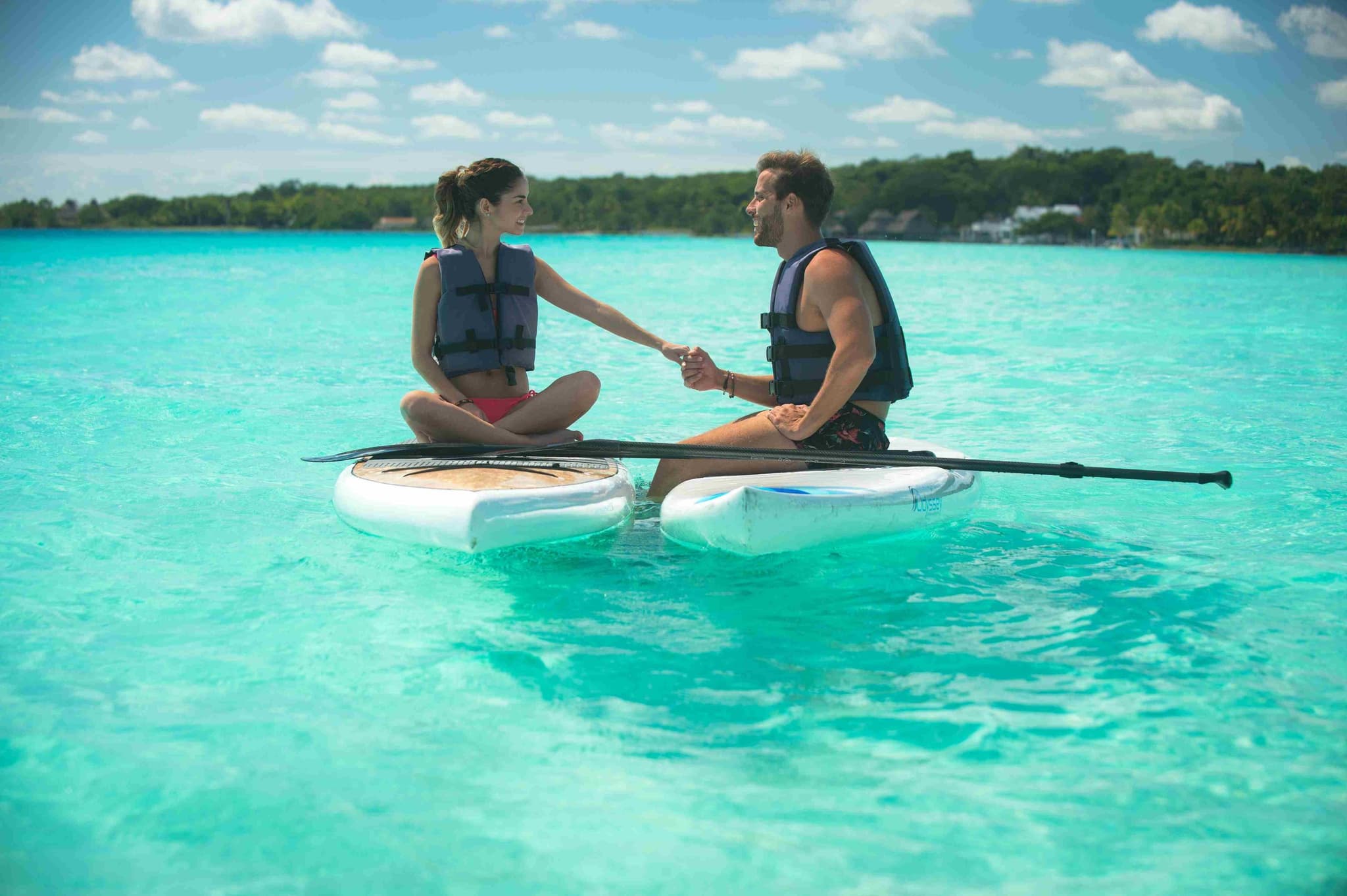
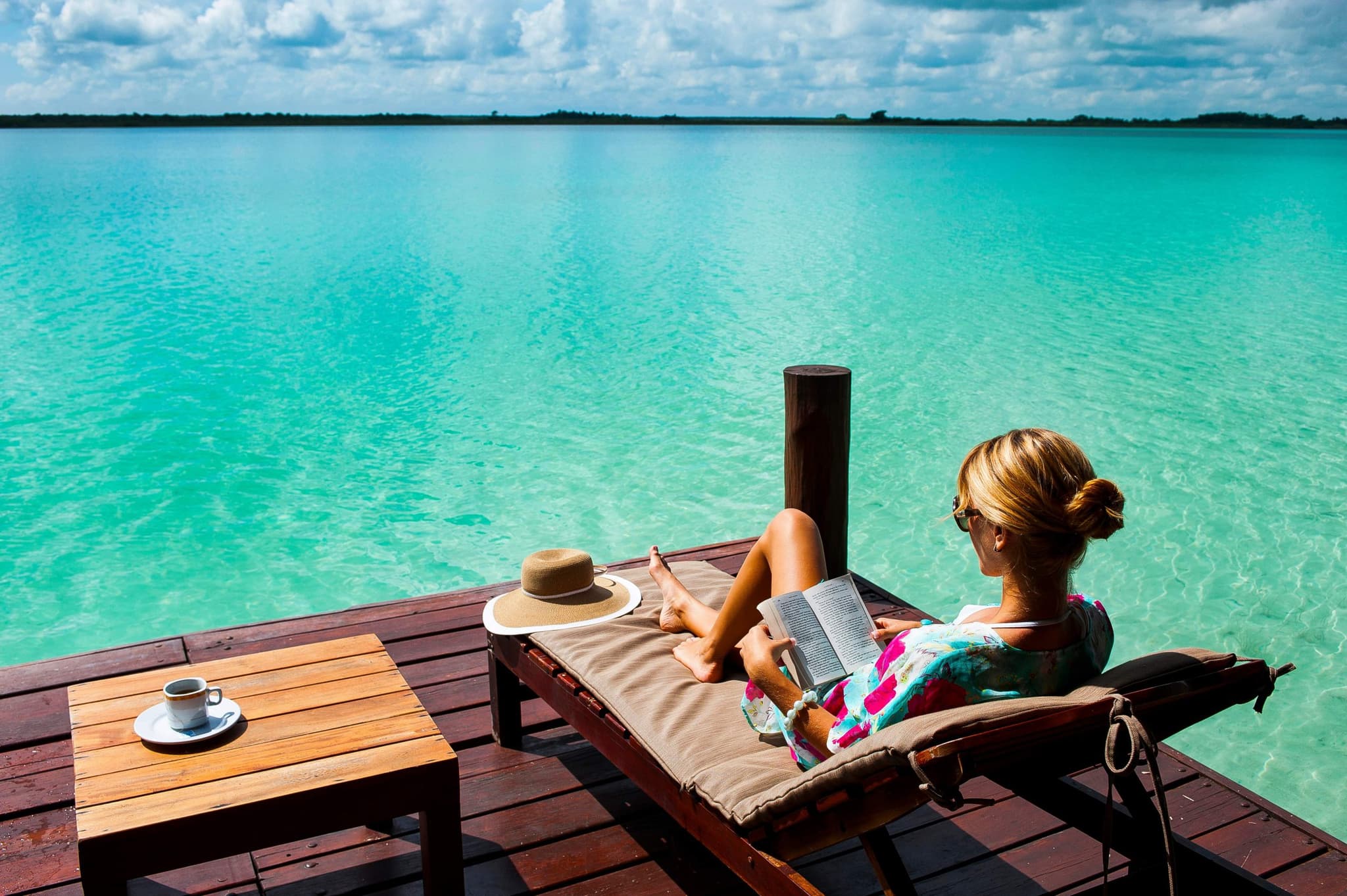
Explore the lagoon by kayak, sailboat, paddleboard or pontoon, or take in the views from its wooden docks. In the morning, the water is calmer, and its colors change with the light. At Los Rápidos, where the lagoon connects to Xul-Há Lagoon and the Hondo River, the current carries you along without having to paddle.
Cenotes and canals
Cenote Azul, Cocalitos and the Pirates' Canal
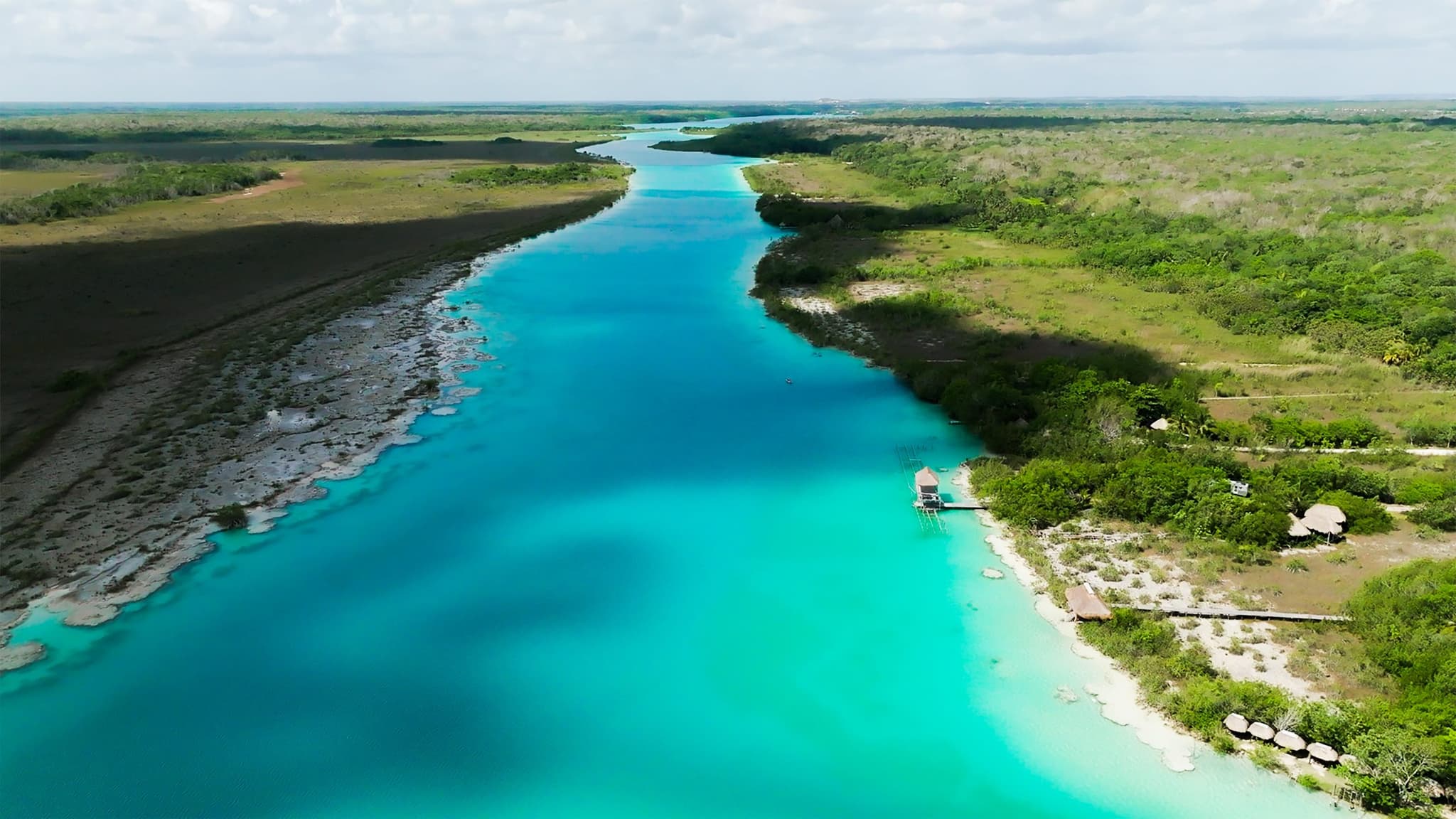
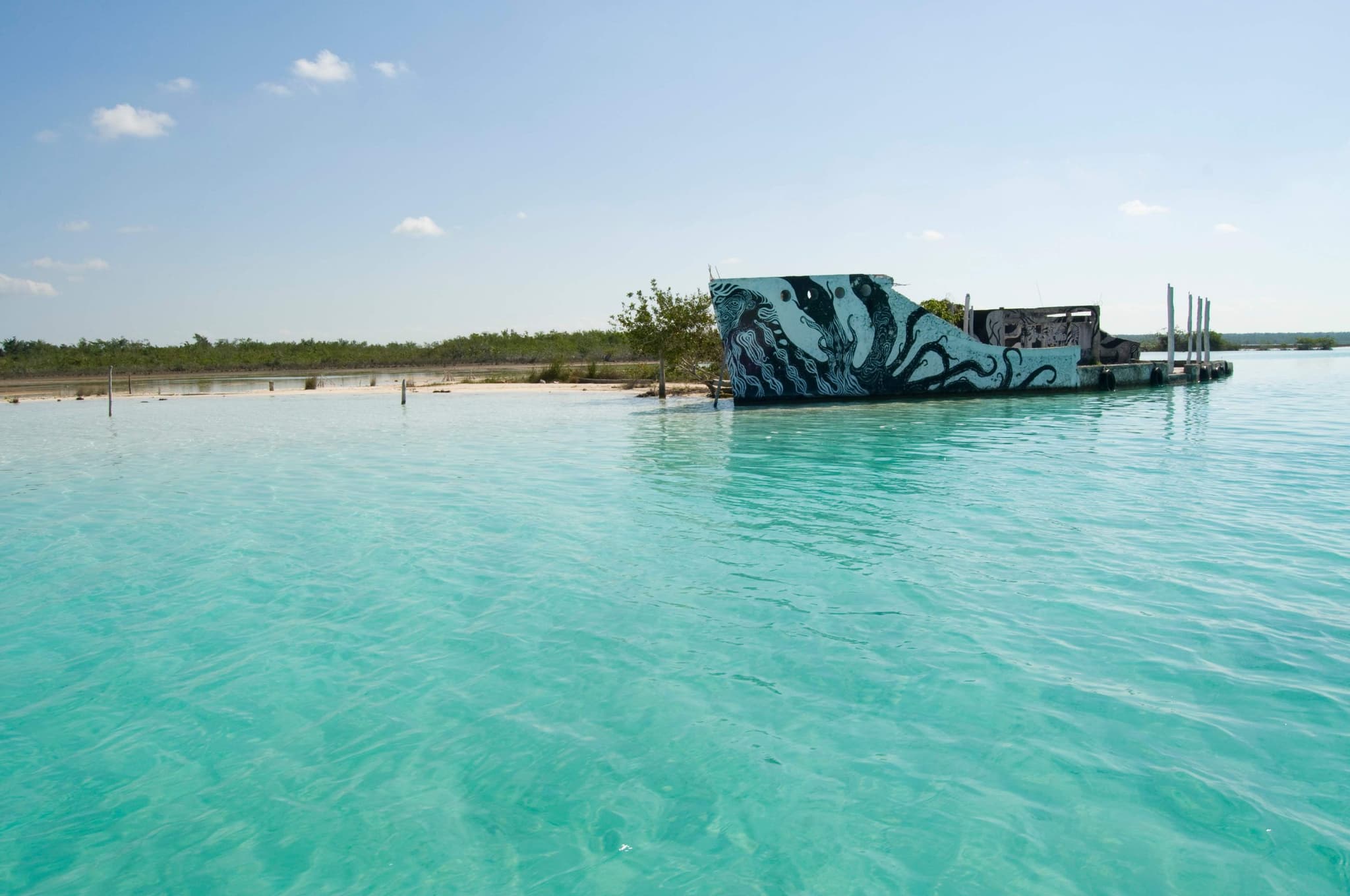
Within the lagoon are the Negro and Esmeralda cenotes, Cocalitos and Isla de los Pájaros, with herons, parrots and hawks. Just outside the lagoon lies Cenote Azul, an open-air cenote with deep waters. The Pirates' Canal, as the Estero de Chac is known locally, connects the lagoon to the Hondo River. Its shores are home to stromatolites, among the oldest life forms on the planet. They should never be stepped on or touched.
Maya heritage
Chacchoben, Dzibanché and Kohunlich, an hour or less away
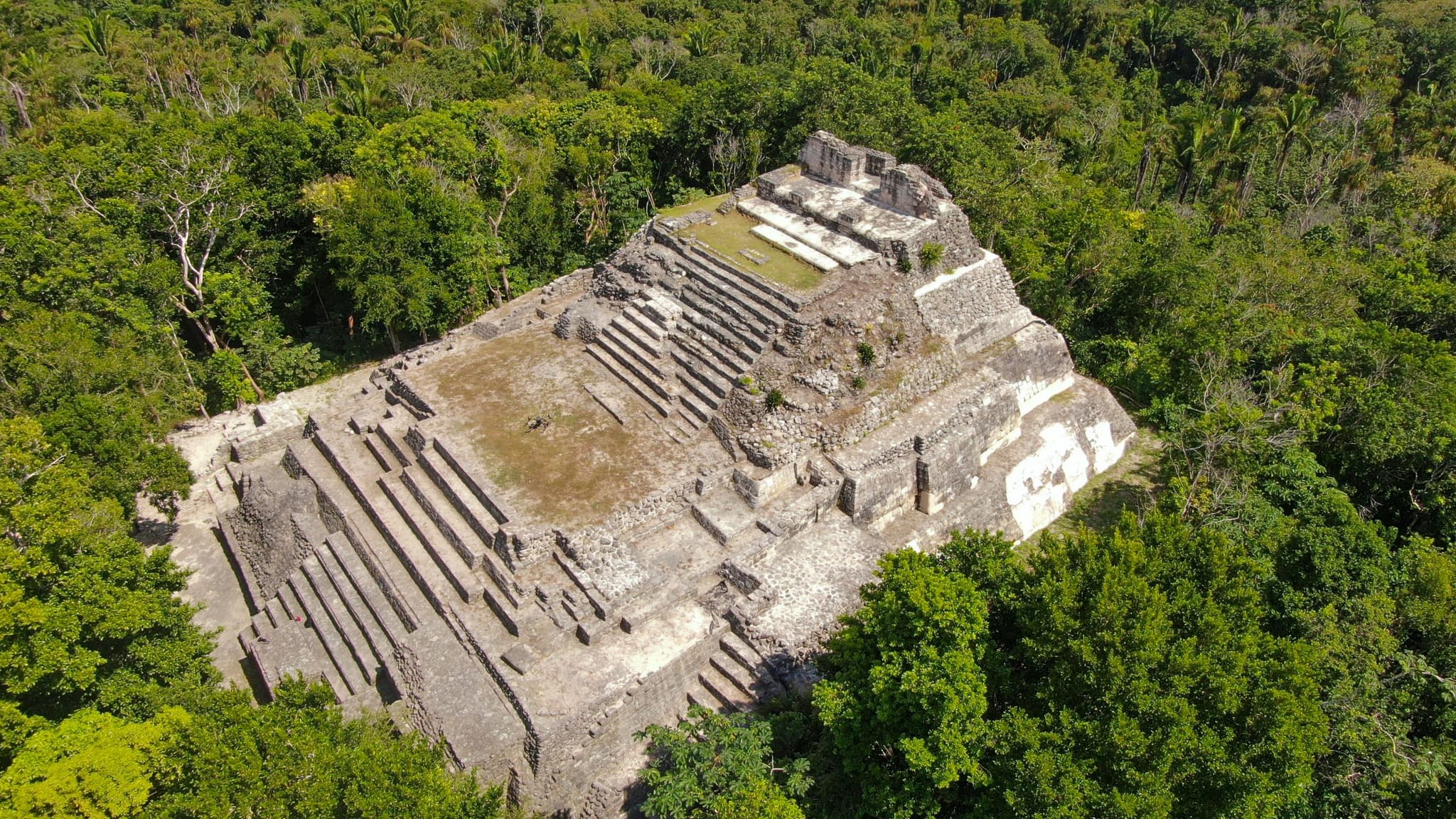
Chacchoben, Dzibanché, Kohunlich and Ichkabal are all within an hour's drive: archaeological sites surrounded by jungle, with pyramids that rise above the canopy.
The town
The square, the fort and the cabins over the lagoon
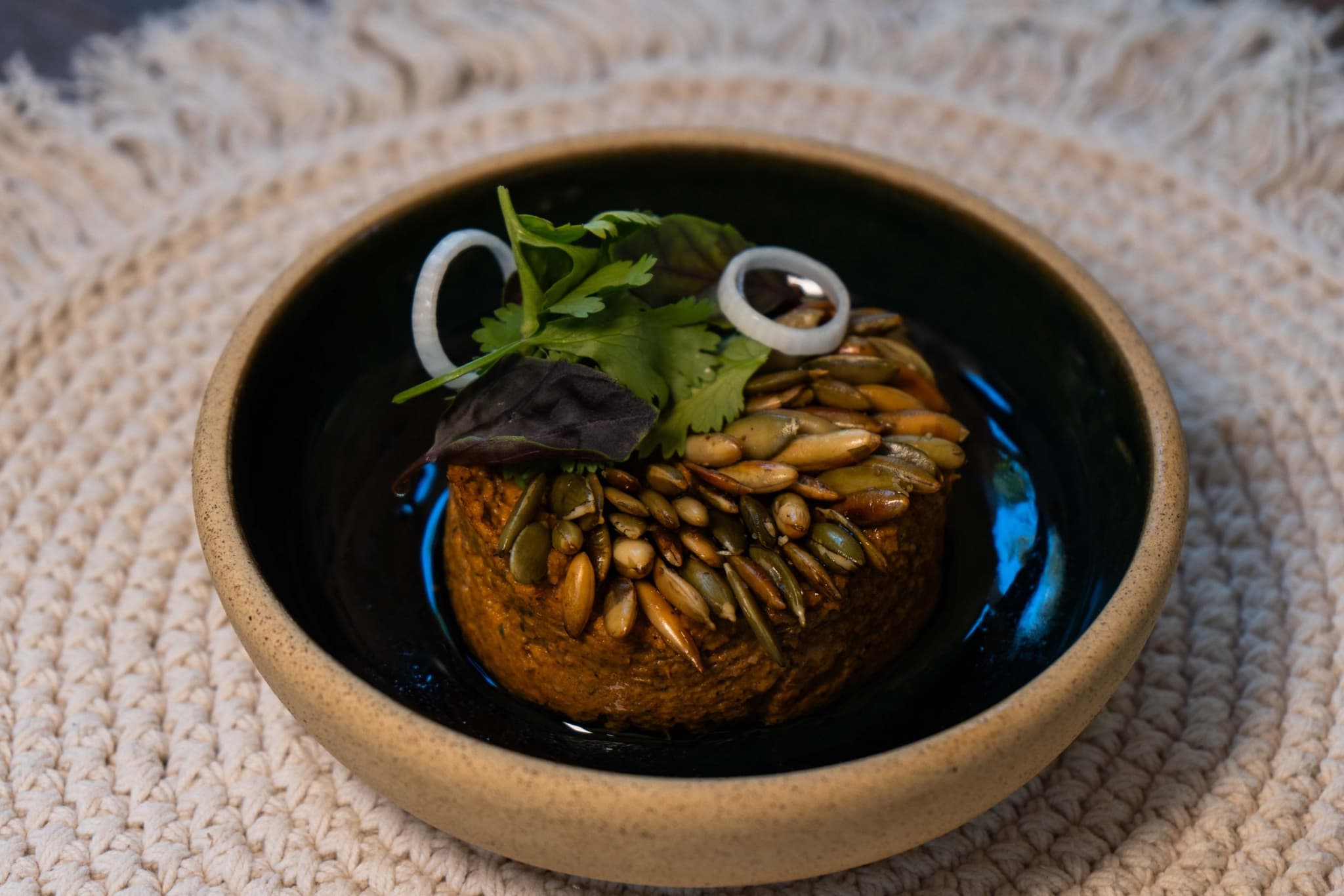
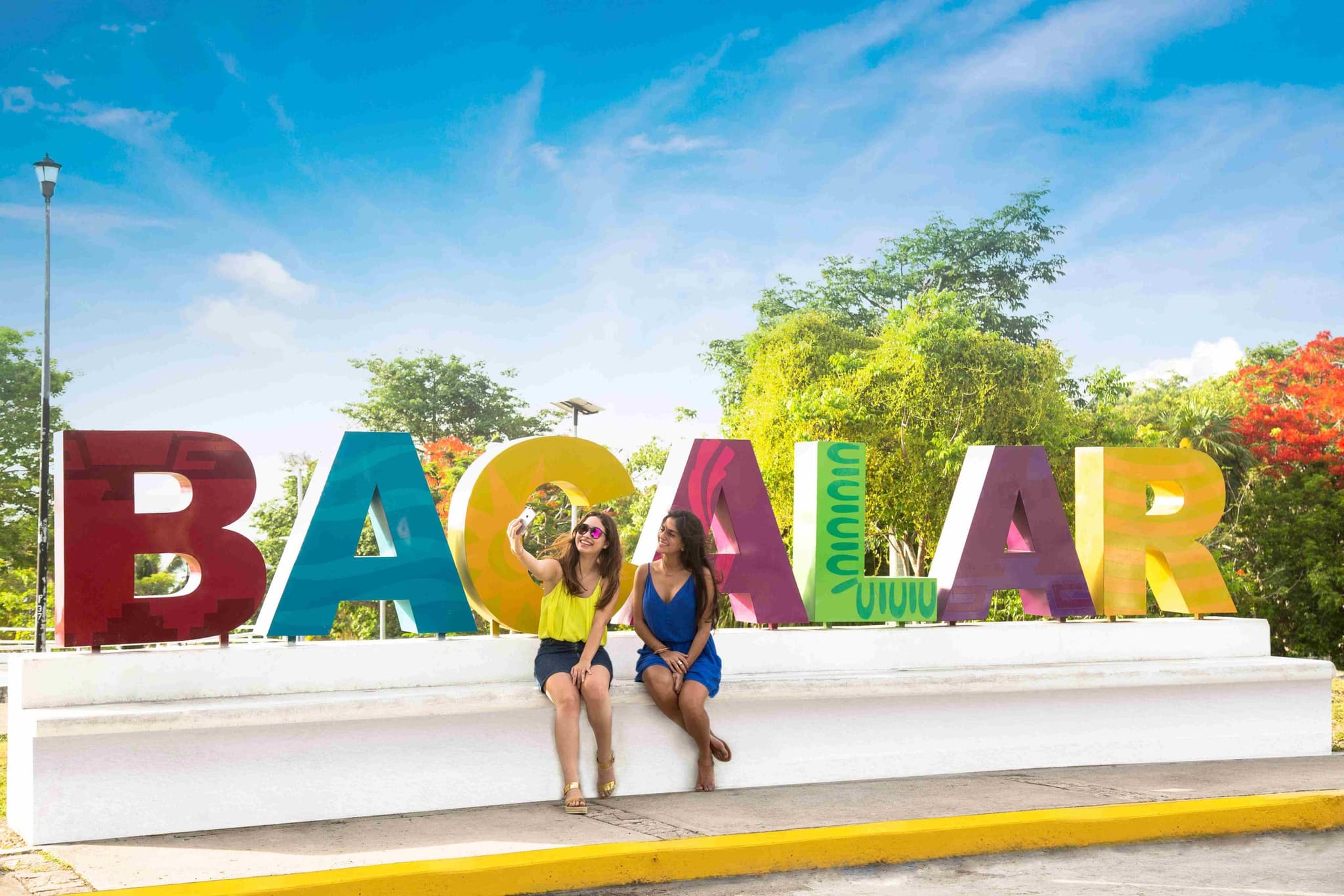
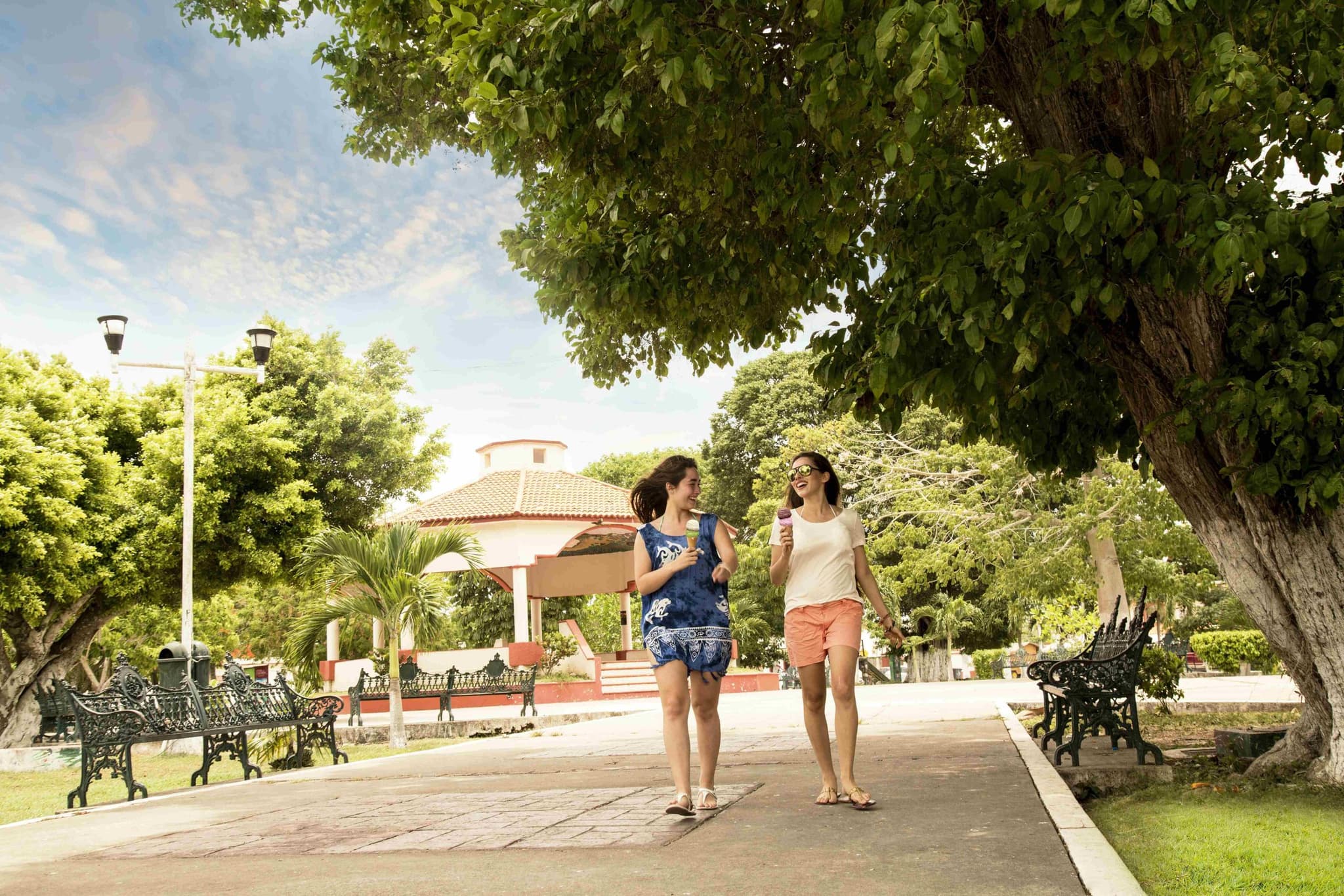
Around the main square, near the fort, San Joaquín Church and the Bacalar letters, you'll find the seafood restaurants, taquerías and stalls selling ziricote and mahogany woodcrafts; the town is easy to get around on foot or by bike. Lodging ranges from small hotels downtown to cabins and stilt bungalows over the lagoon, some with a spa right on the water.
History
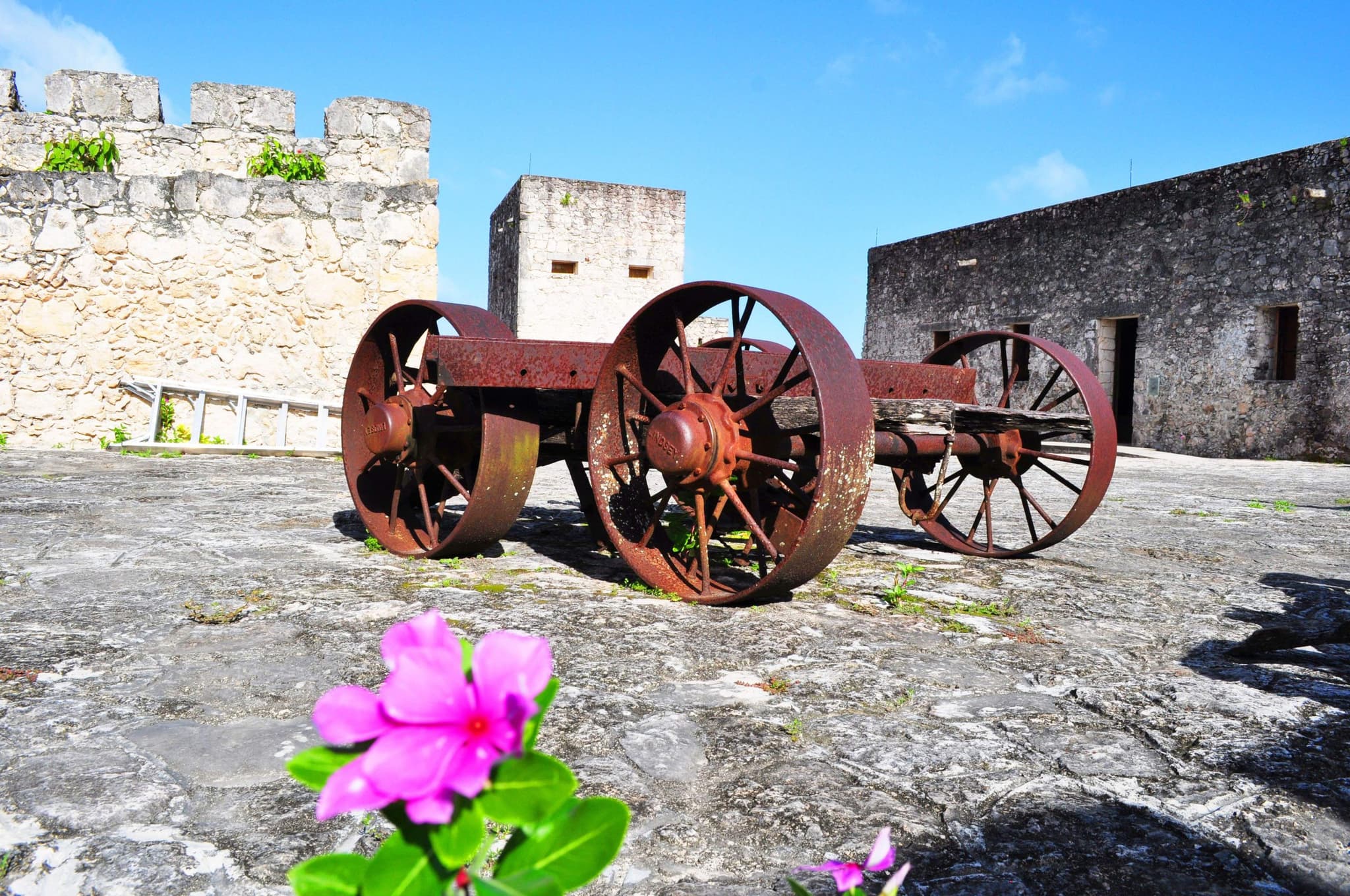
The San Felipe Fort and the logwood pirates
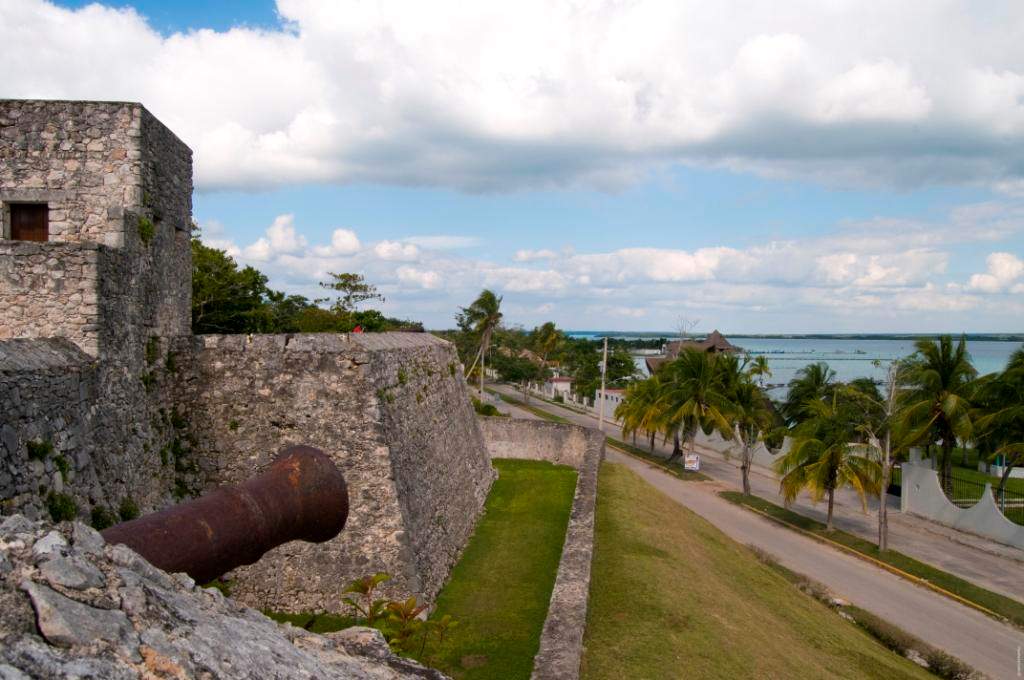
The Maya called this place Bakhalal, meaning "place of reeds." The Spanish founded the town in the 16th century and later built the San Felipe Fort in the 18th century to defend it against English, French and Dutch pirates seeking logwood, a tree prized for dye. Today the fort houses the Piracy Museum, with weapons, maps and ship models, and looks out over the lagoon.

Discover the South
Find experiences, places to stay, local food, transportation and everything else you need to plan your trip through the southern Mexican Caribbean.
Bacalar gallery
More about Bacalar
June 16, 2026
Discover the Magic of the Southern Mexican Caribbean
Bacalar, Chetumal and Mahahual: a guide to the southern Mexican Caribbean, from the Lagoon of Seven Colors to the Mesoamerican Reef and Banco Chinchorro.
Read the article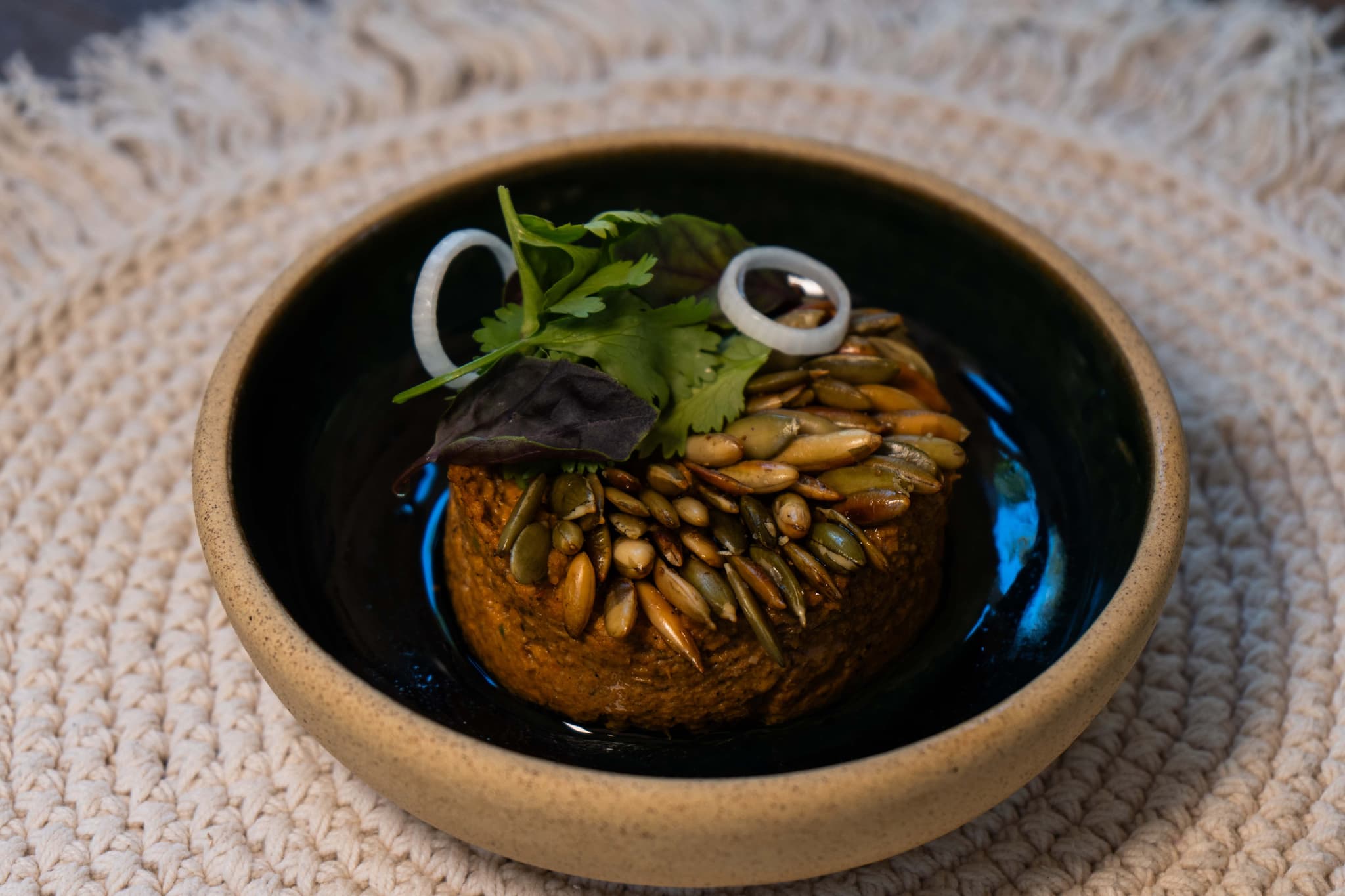
September 29, 2024
Bacalar: A Fusion of Flavors Beyond the Lagoon
Discover the flavors and culinary scene of Bacalar: international fusion, modern seafood, artisanal bakeries and Yucatecan roots by the lagoon.
Read the article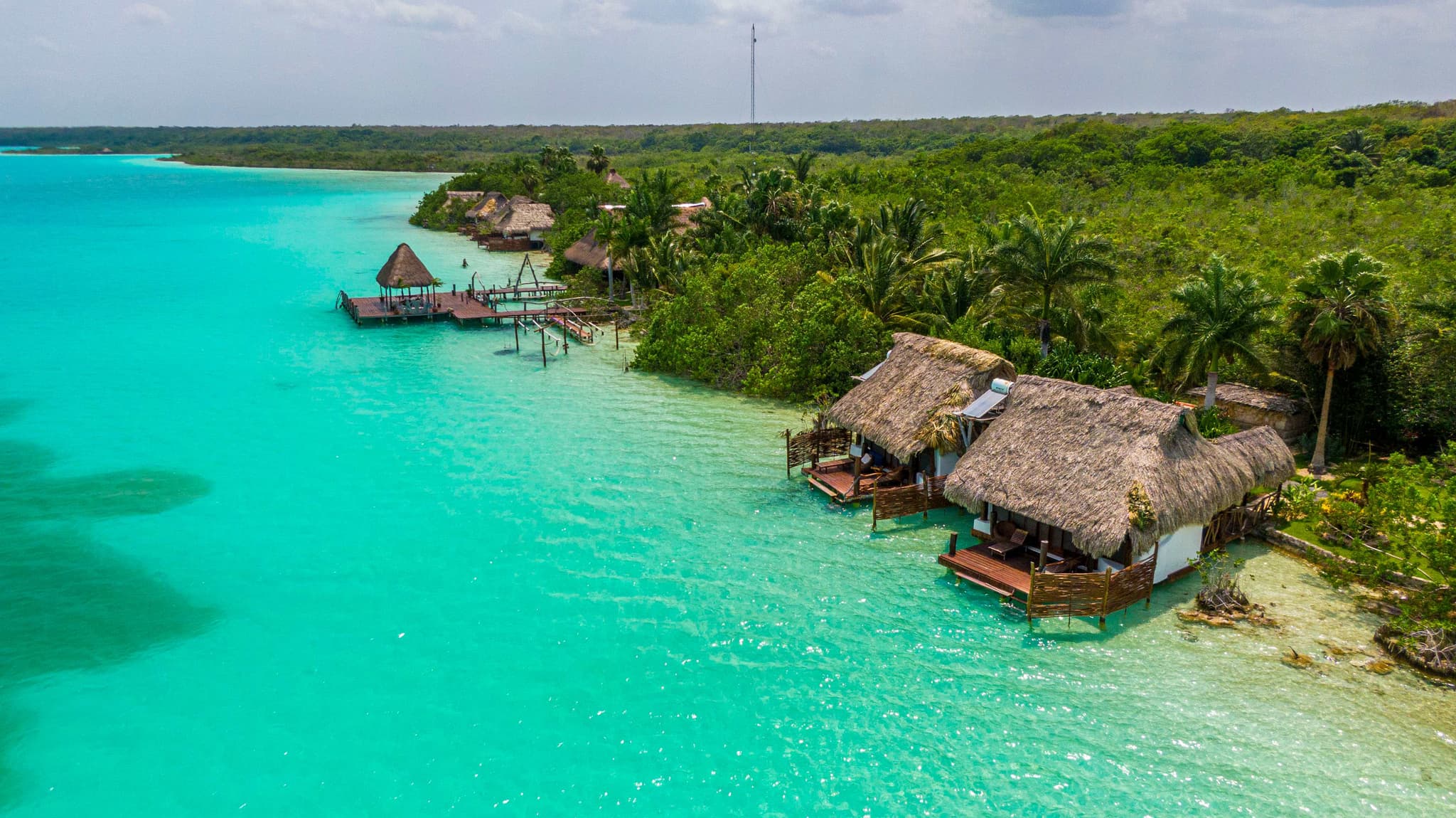
September 29, 2024
The Lagoon of Seven Colors in Bacalar
Discover Bacalar's Lagoon of Seven Colors: crystal-clear water in every shade of blue, cenotes, the Pirates' Canal, kayaking and a slower pace.
Read the article- Sun88°F74°F
Follow us on Instagram