

Culture
The Maya world, alive
Step into the past and explore the rich cultural heritage of the Mexican Caribbean, where ancient ruins and living traditions bring history to life.
Maya cities that have stood for centuries.
Discover archaeological treasures that reveal the mysteries of the Maya, and let the spirit of the past shape your trip.
The Mexican Caribbean holds Maya cities that have stood for centuries, from Tulum on its cliff to Kohunlich with its masks, and museums that order that history, starting with the Museum of Maya Culture in Chetumal.
Grand Costa Maya
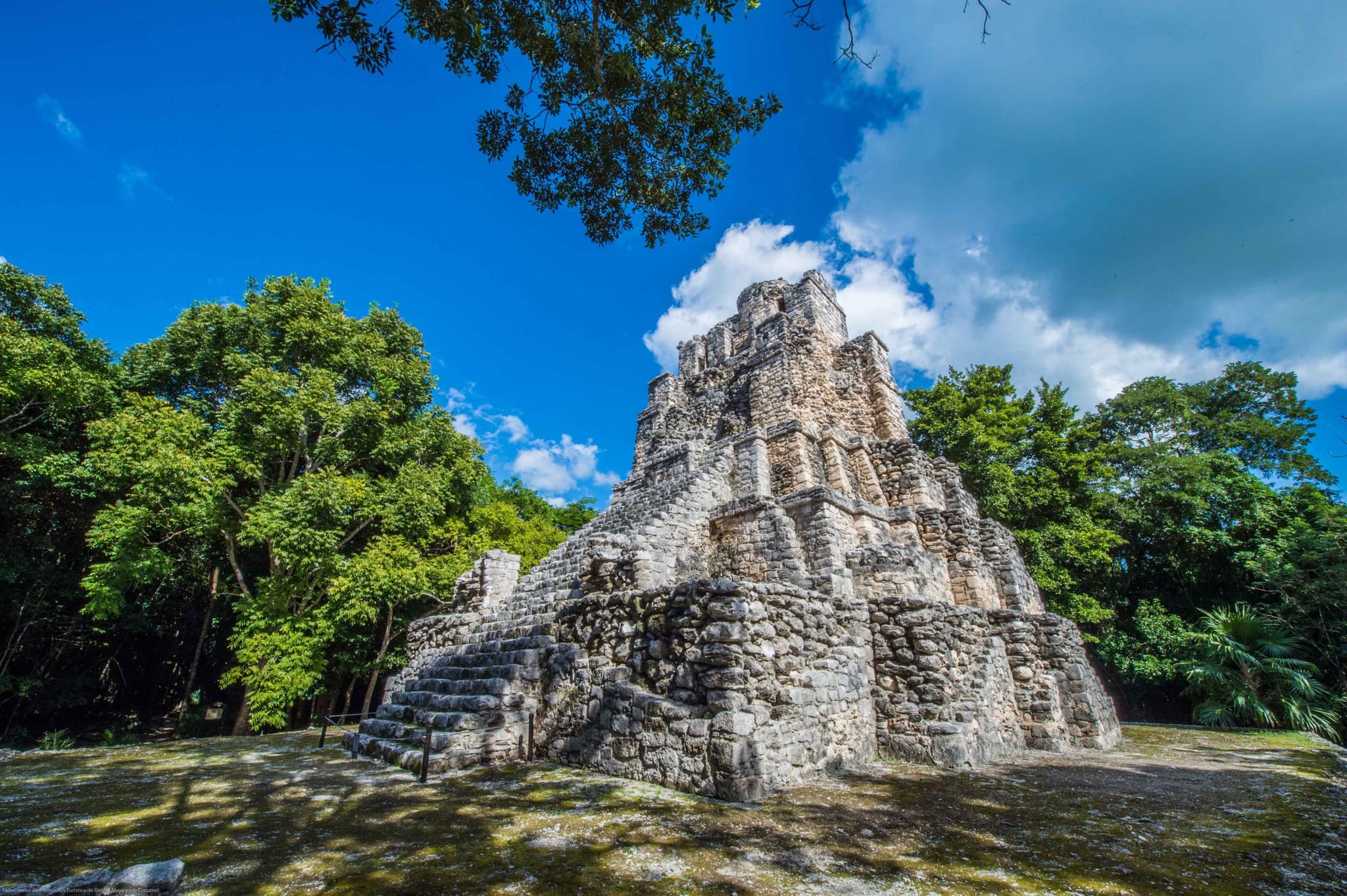
Chacchoben
An important ceremonial site surrounded by jungle, featuring restored temples and wide plazas. It stands out for its monumental architecture and links to ancient Mayan trade routes.
North of Bacalar, some 70 km from Chetumal and 9 km off Highway 307, it is one of the largest sites in southern Quintana Roo. Its restored pyramids rise out of the jungle, and the Tren Maya station carries its name.
From Grand Costa Maya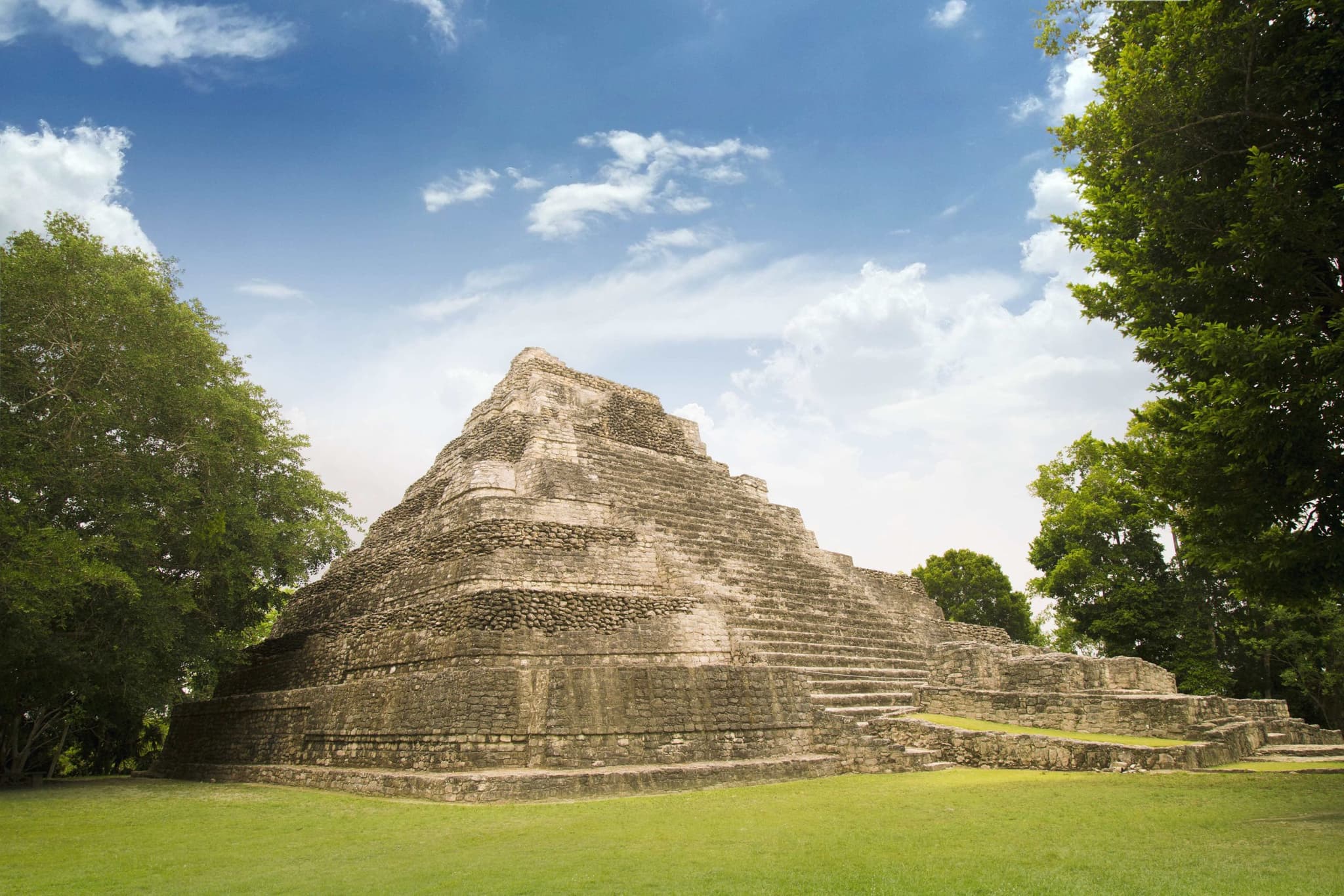
Bacalar
Ichkabal
One of the largest and oldest Mayan settlements in the area, still partially covered by jungle. Its massive structures suggest a major political and ceremonial center.
It opened to the public in January 2025, 40 km from Bacalar. INAH researchers have described it as the cradle of the Kaanu'l lineage, the Serpent dynasty that later ruled from nearby Dzibanché and then from Calakmul.
From Bacalar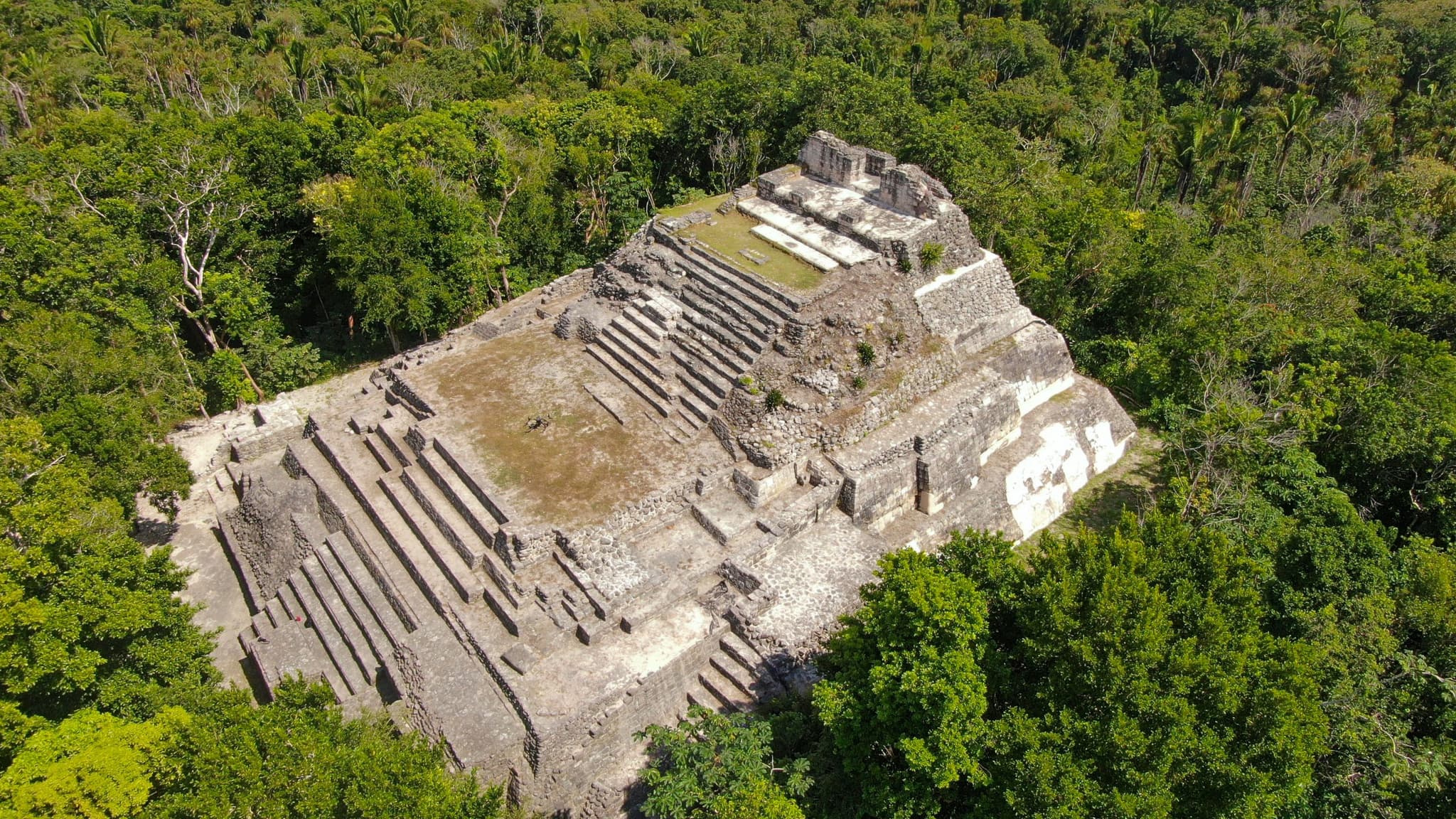
Chetumal
Dzibanché
A key political center during the Classic period, with large temples and ceremonial plazas. It was one of the earliest capitals of the Kaanul dynasty (Snake Kingdom).
It was the first capital of the Kaan or Kaanu'l dynasty, the Serpent kings who later ruled from Calakmul, and its monuments record their conquests. Kinichná, 2 km north, belongs to the same complex and is the natural other half of the visit.
From Chetumal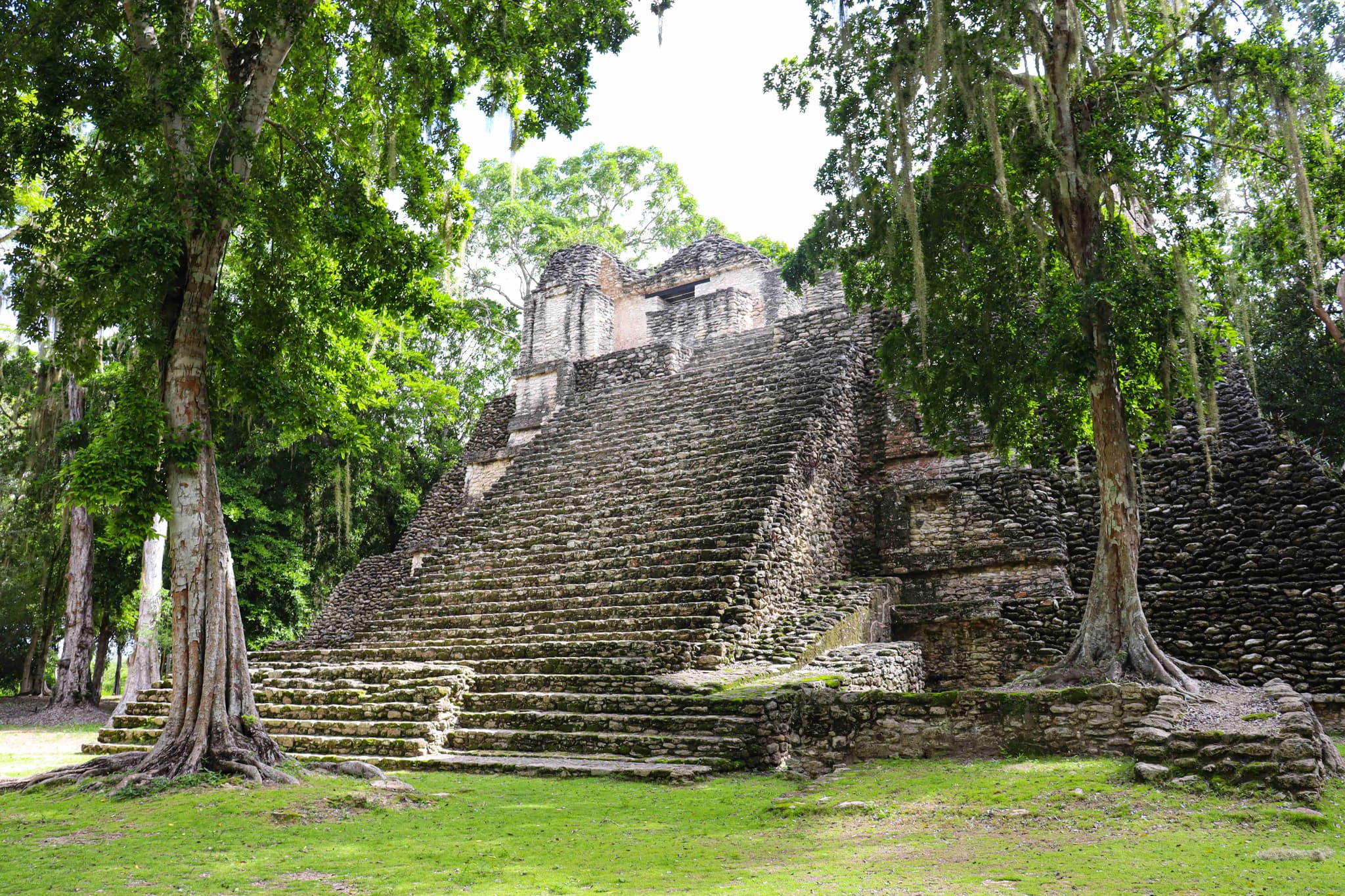
Chetumal
Kohunlich
Famous for its giant stucco masks representing the sun god on its temples. The site is surrounded by dense vegetation and stands out for its artistic and cultural significance.
Some 65 km west of Chetumal, on the road to Escárcega. The faces on the Temple of the Masks still show their red and black paint and portray rulers with the attributes of Kinich, the sun god. The city was at its height between 600 and 900 AD.
From Chetumal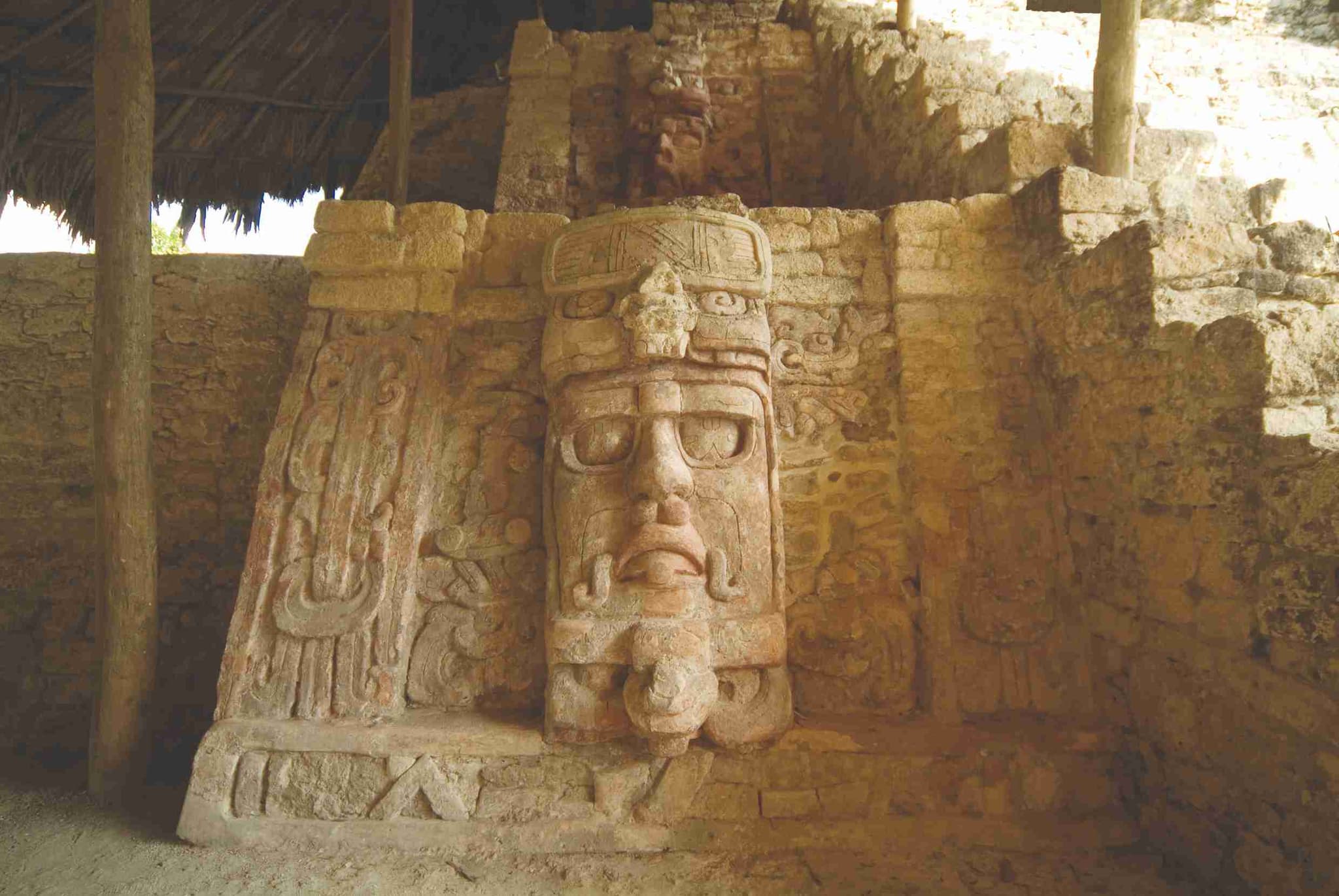
Chetumal
Oxtankah
An archaeological site reflecting the coexistence of Mayan culture and early colonial influence. Its structures include temples, platforms, and evidence of long-term occupation.
It was the largest Maya city on Chetumal Bay, a port whose first inhabitants arrived around 600 BC. It lies 16 km north of the city, hidden between the jungle and the coast, and is the archaeological site closest to the capital.
From Chetumal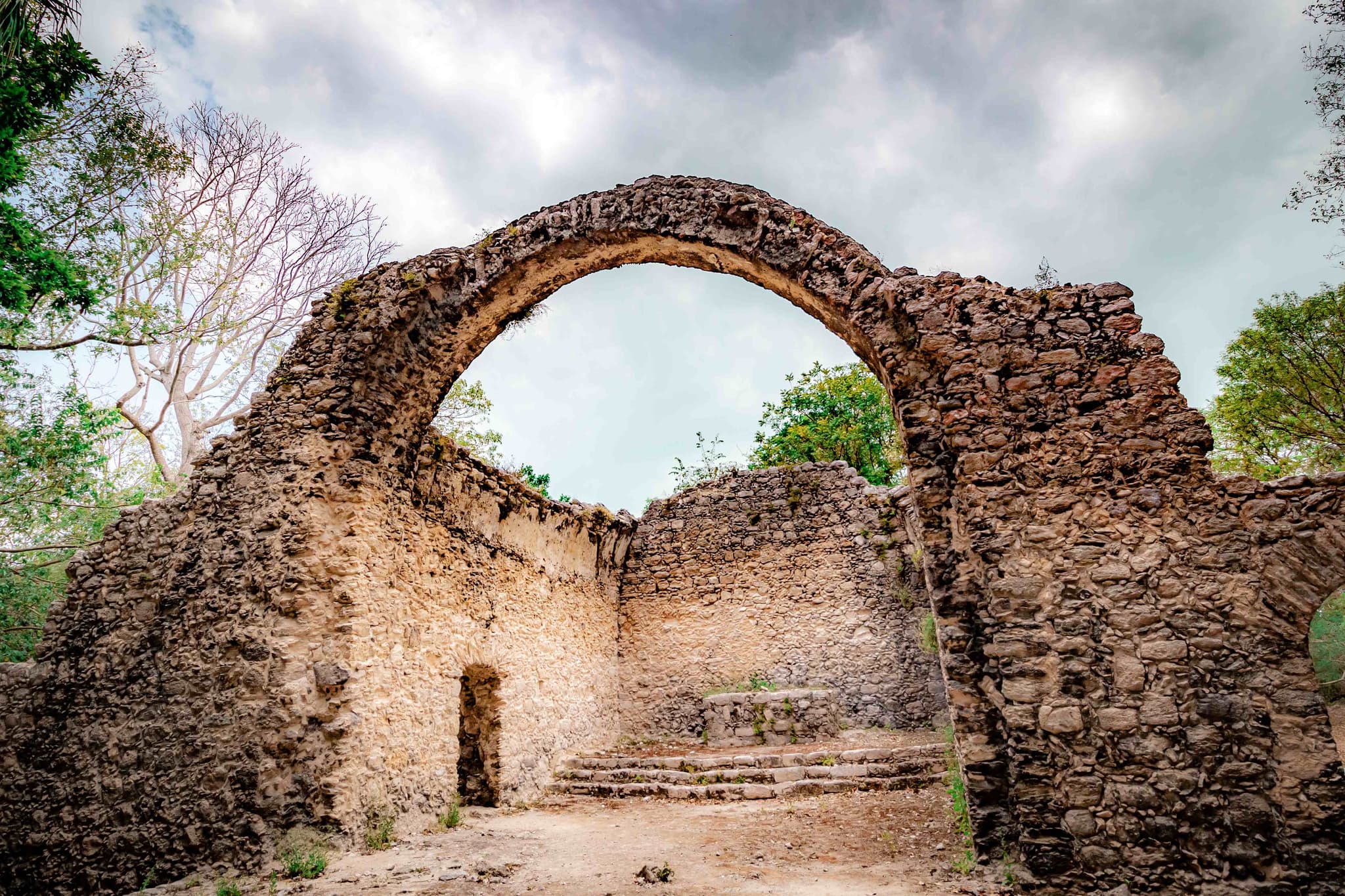
Riviera Maya
Cobá
One of the great cities of the Classic period, deep in the jungle. Its landmark is Nohoch Mul, the tallest pyramid in the Mexican Caribbean, and it sits at the centre of the largest network of sacbés, the raised white roads that linked Maya cities.
Some 47 km northwest of Tulum, a 45-minute drive. Ball courts, stelae and smaller temples stand among the trees, and the longest sacbé runs about 100 km west to Yaxuná, close to Chichén Itzá. The site is sprawling: a bicycle is the way to see it.
From Riviera Maya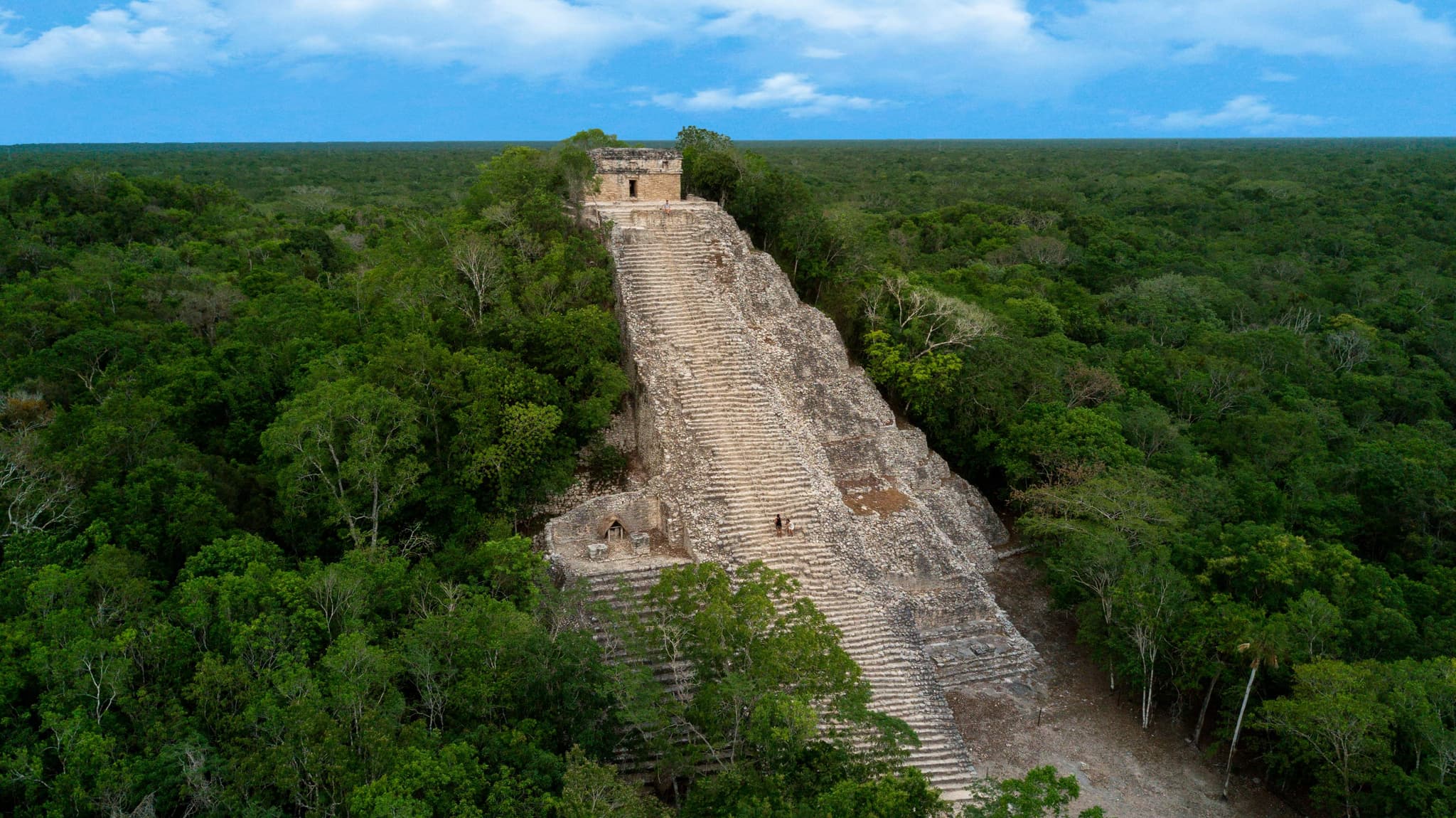
The sites are run by INAH and each has its own hours and rules, including the one on drones and tripods, which need a permit.
Where to start
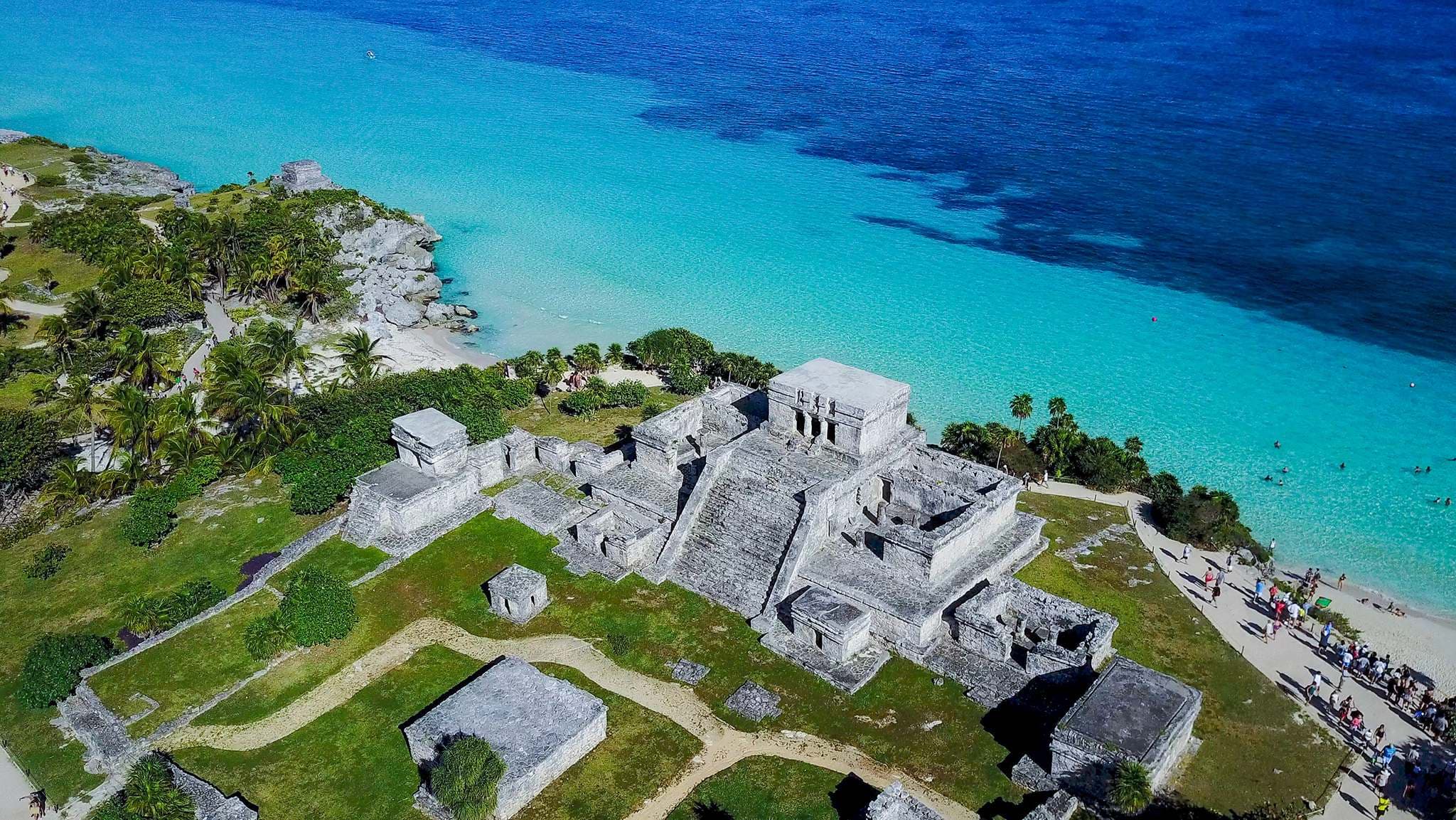
The best archaeological sites
The most striking in the Mexican Caribbean.
Read more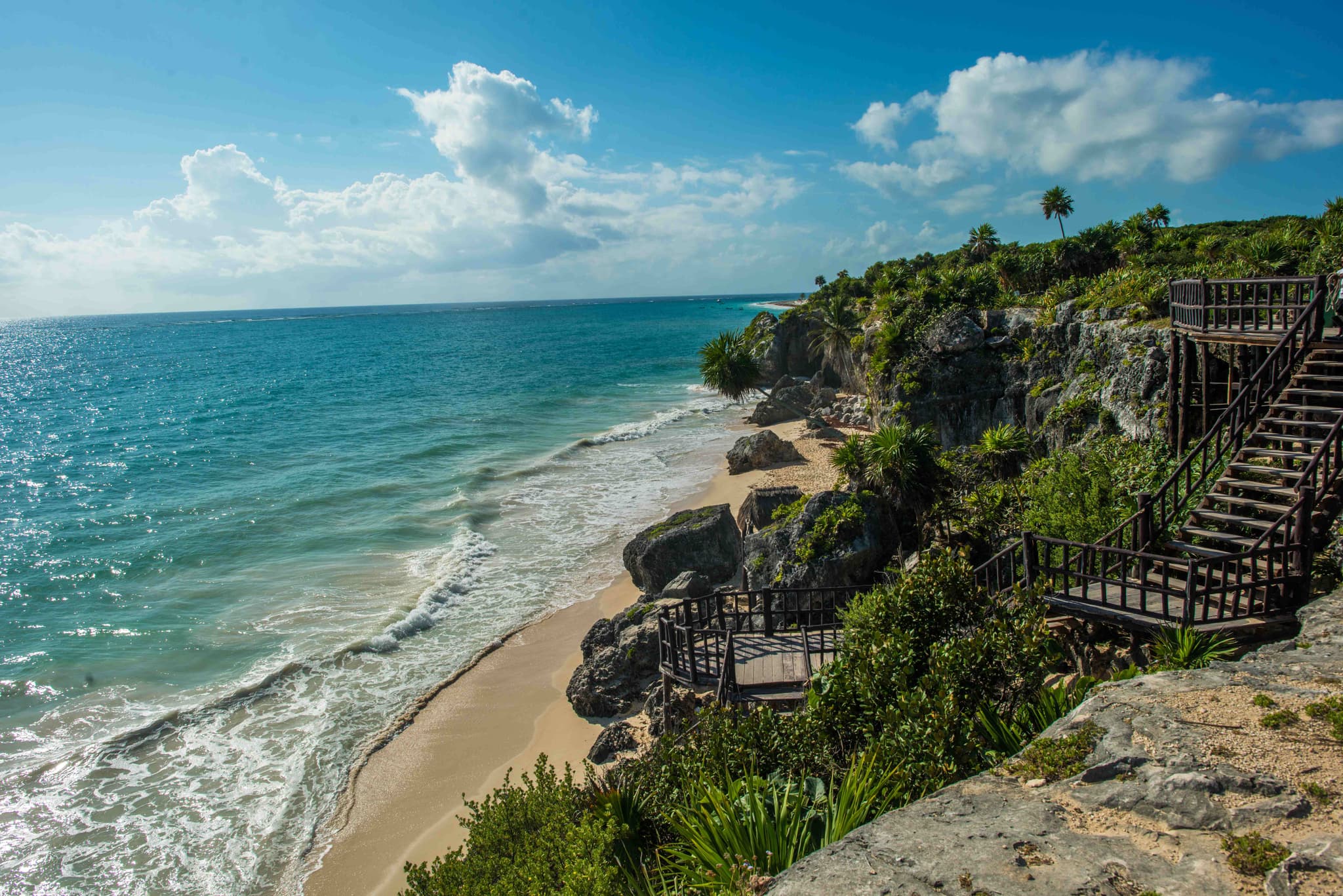
Archaeological wonders in Tulum
History on the edge of the Caribbean Sea.
Read more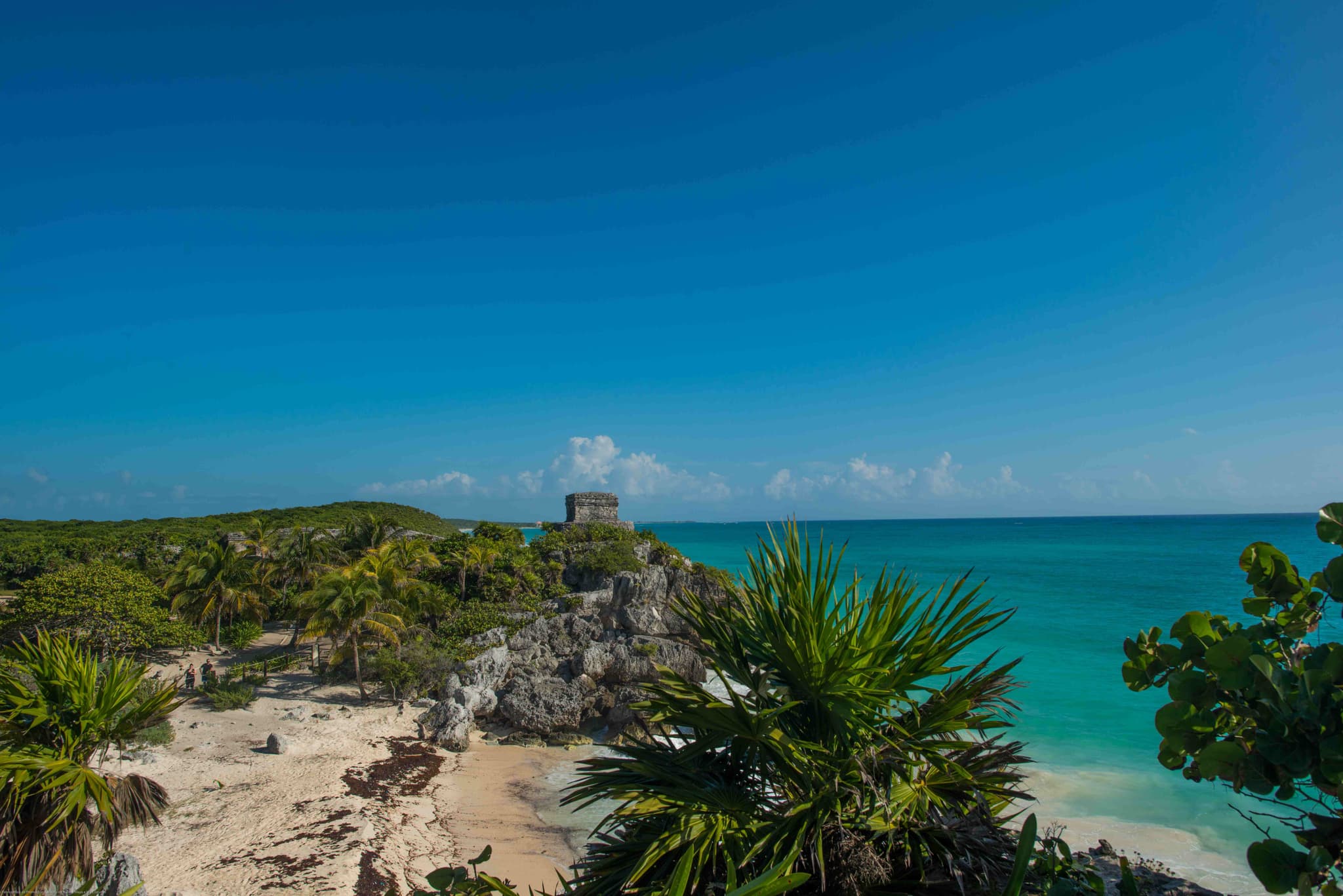
Unearthing the secrets of Maya culture
Four sites near Maya Ka'an.
Read more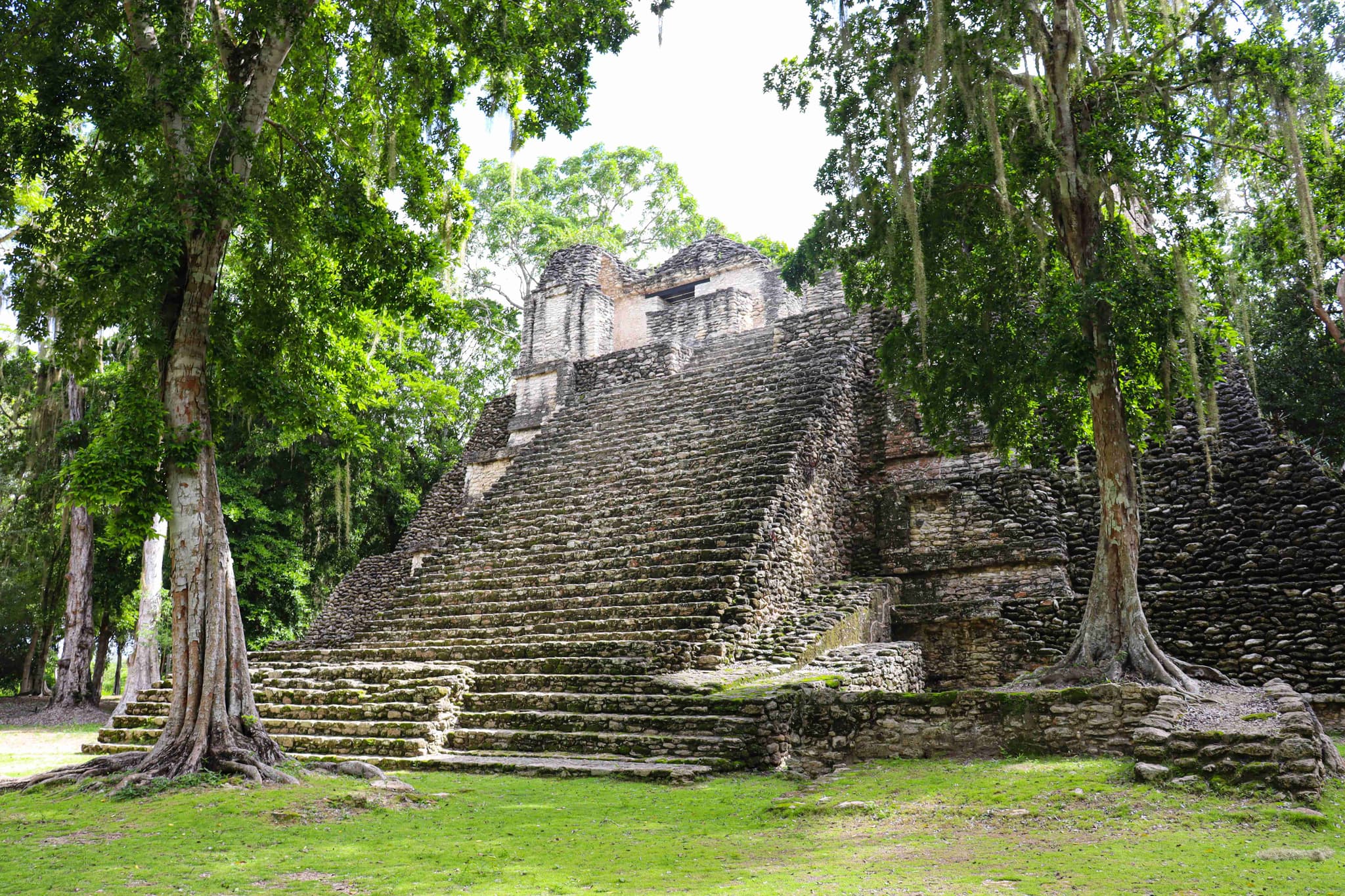
Explore the archaeological sites
A run through the Grand Costa Maya.
Read more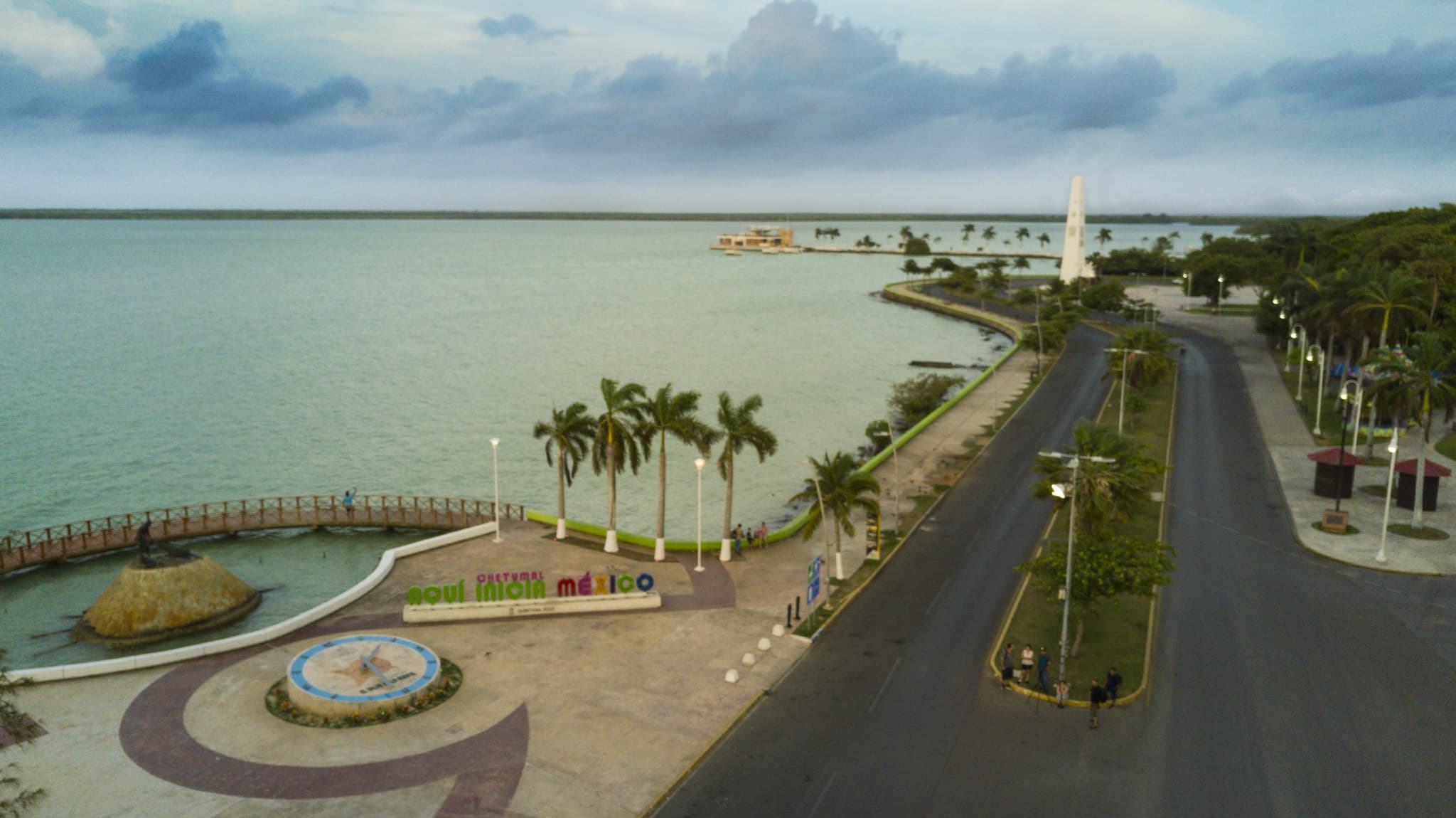
Into the cultural treasures of Chetumal
The Museum of Maya Culture.
Read more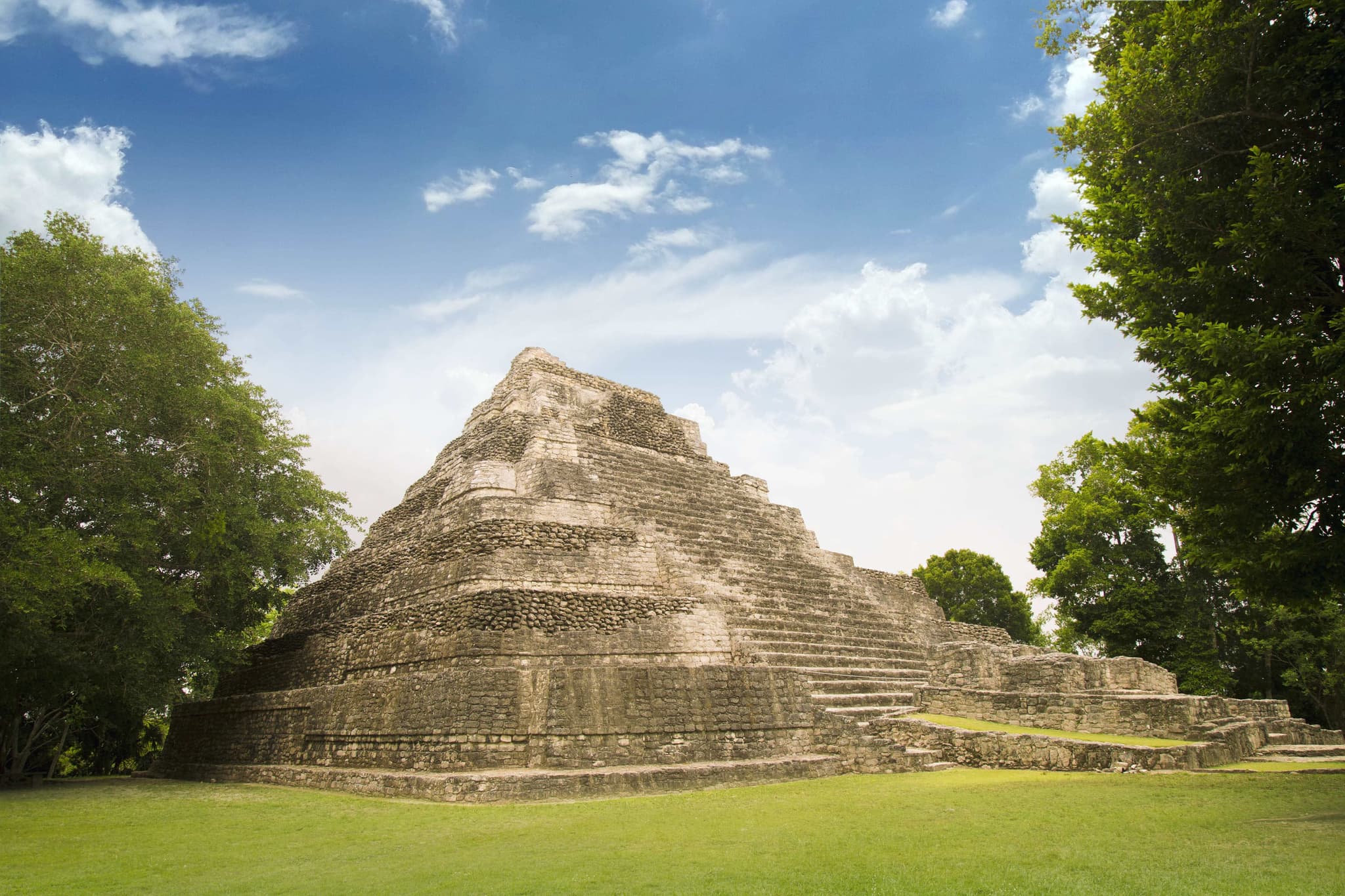
Archaeological sites near Mahahual
The Maya civilisation in the south of the state.
Read moreMexican Caribbean
- Sat32°27°
Follow us on Instagram