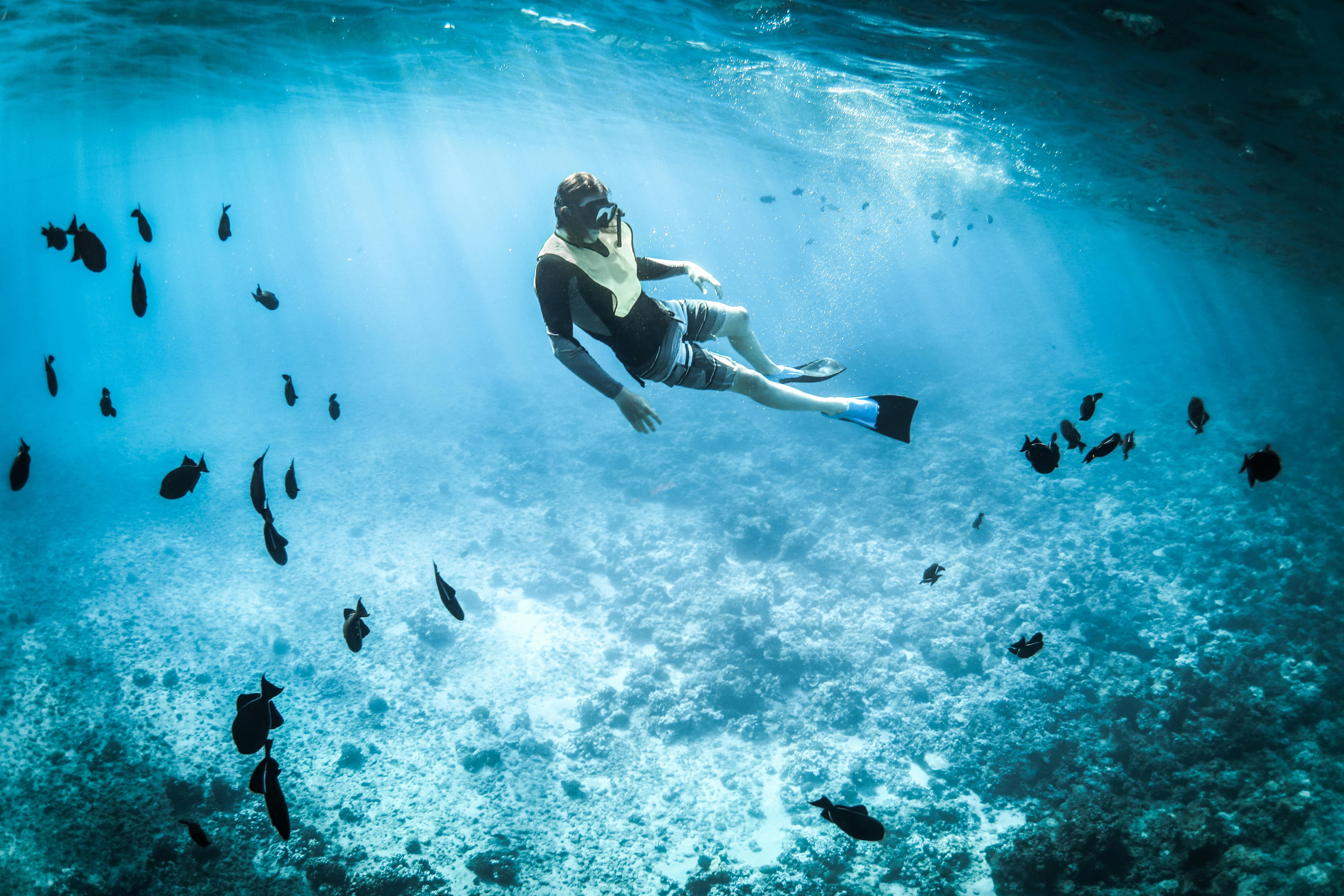

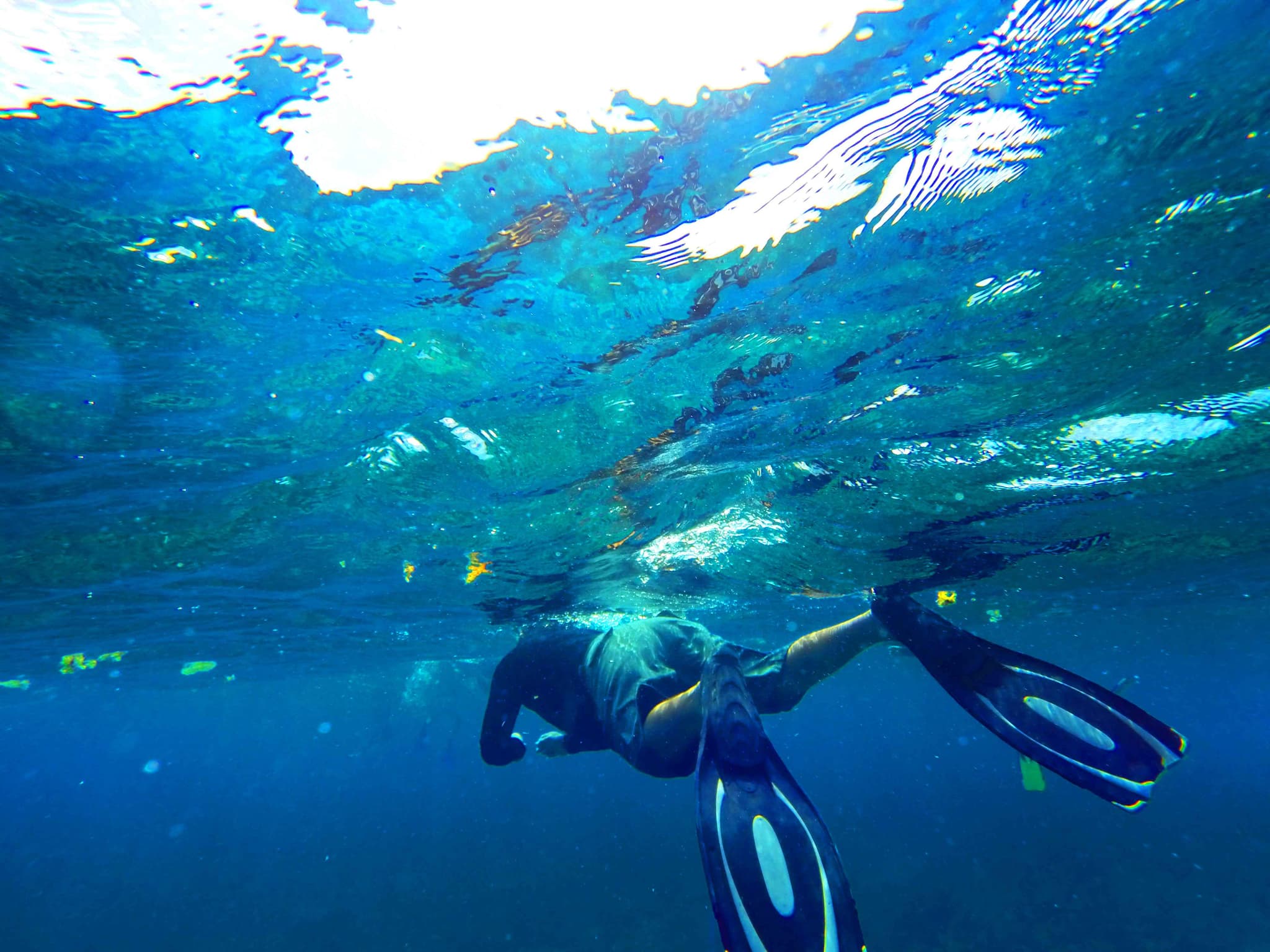
Cozumel is widely regarded as one of the best diving destinations in the world, and divers come from everywhere to find out why. The island sits on the Mesoamerican Reef, the second-longest barrier reef on the planet, and the dive sites along its west coast are protected inside Arrecifes de Cozumel National Park. Shallow coral gardens, walls that fall away into blue, big animals and small ones: Cozumel has all of it within a short boat ride. Here is why the island ranks among the top scuba destinations anywhere, site by site.
1. Palancar Reef: A Diver's Dream
Palancar is Cozumel's most famous reef and a site every diver ends up visiting. It lies inside the national park and is known for its coral formations, its towering walls and the sheer amount of life on them.
Palancar is really several sites in one. There are shallow coral gardens that suit beginners, and deeper sections where the wall drops off into open water, better for experienced divers. Spotted eagle rays, sea turtles and clouds of reef fish are regular sightings, which is why so many people put Palancar at the top of their list.
2. Santa Rosa Wall: Deep Diving in Cozumel
Santa Rosa Wall is one of the island's most exciting dives, and one that suits divers with some experience under their belt.
The current along the wall can be strong. Rather than fighting it, you let it carry you along the coral face. Divers often see larger animals here: barracuda, groupers and the occasional nurse shark. The sponges and corals growing on the wall give it colour, and the combination of depth, current and life makes Santa Rosa one of the most requested sites on the island.
3. Columbia Reef: A Marine Wonderland
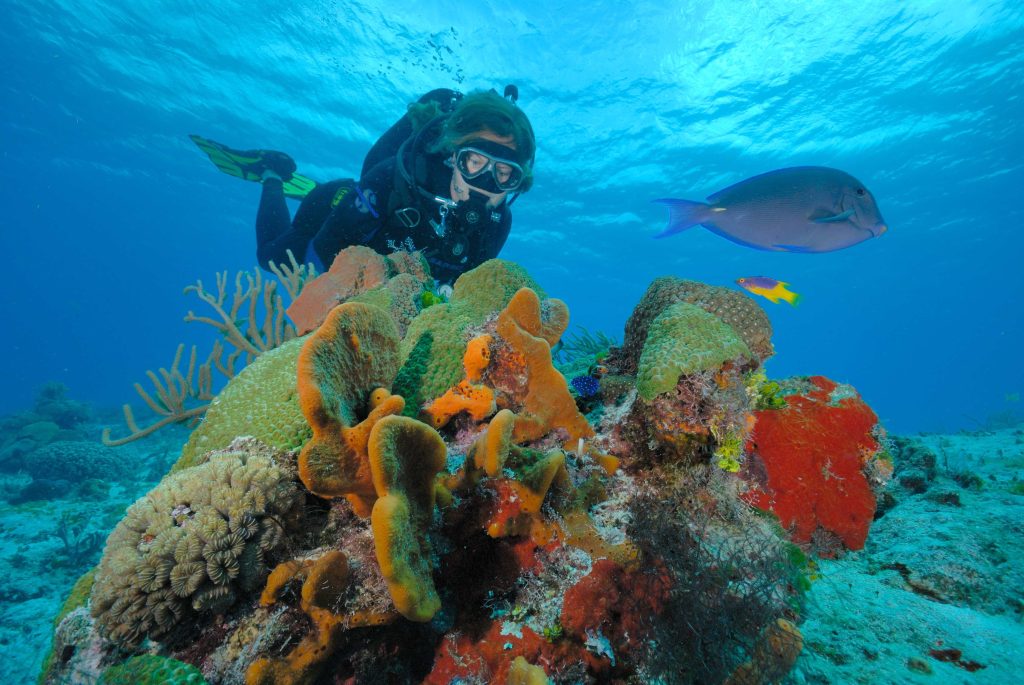
Columbia is another site you should not skip, with options for every level. Like Palancar, it combines coral formations, deep walls and a lot of marine life. Its signature feature is a set of massive coral pinnacles rising from the seabed.
The reef is busy with life: schools of angelfish and butterflyfish, moray eels tucked into the coral, sea turtles cruising past. Columbia is also a favourite of underwater photographers, thanks to its colours and to visibility that often reaches 30 meters (100 feet) or more.
4. Devil's Throat: A Challenge for Advanced Divers
If you want something more demanding, Devil's Throat is Cozumel's most famous advanced dive. Located at Punta Sur, at the southern end of the park, it takes its name from a narrow tunnel that drops from about 25 meters (80 feet) to around 40 meters (130 feet) before opening onto the wall.
The dive calls for good buoyancy control and careful navigation, so it is only for advanced divers, and always with a guide who knows the site. The coral formations and the large animals that patrol the wall are the reward.
5. Marine Life and Biodiversity
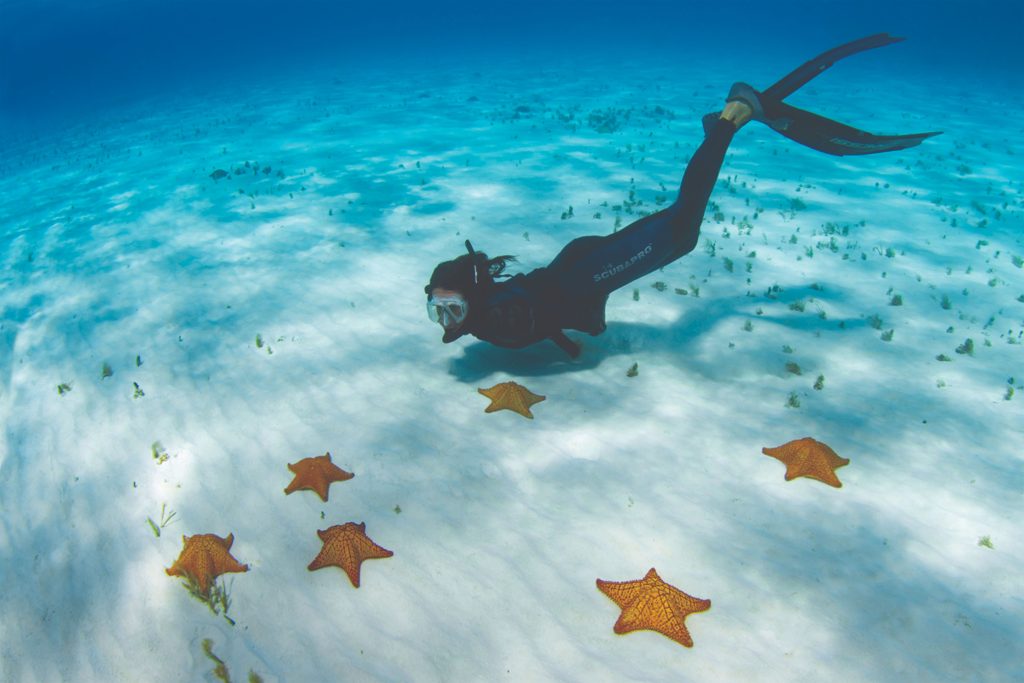
Biodiversity is a big part of why Cozumel counts as a world-class destination. The Mesoamerican Reef system the island belongs to is home to more than 500 species of fish and over 65 species of stony coral, along with sponges, mollusks and crustaceans.
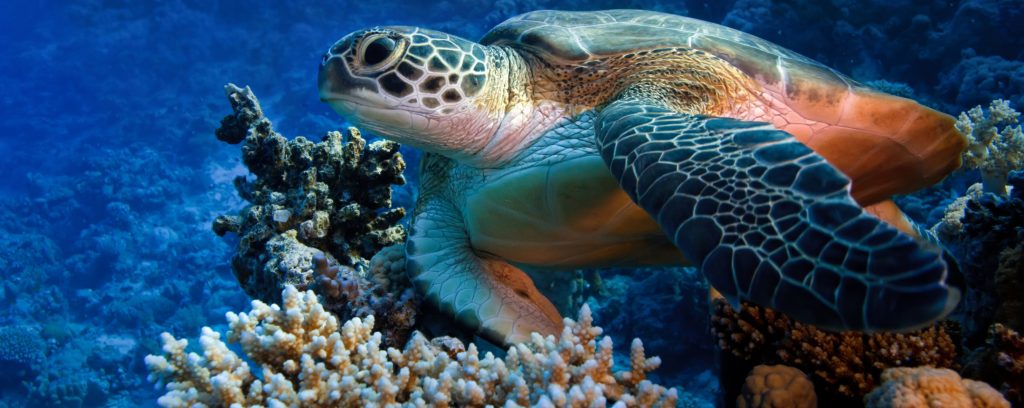
Cozumel's waters hold everything from macro life such as nudibranchs and seahorses to eagle rays, sharks and dolphins. Sea turtles are a common sight (they nest on the island's beaches), and so are nurse sharks resting on the sandy bottom. No two dives are the same.
6. Clear Waters and Ideal Conditions
Cozumel is famous for its clarity: visibility of 30 meters (100 feet) or more is the norm rather than the exception. Warm, generally calm water and diving in every month of the year make it a good fit for beginners and seasoned divers alike.
Drift diving is the island's trademark. A steady current runs along the west coast, so instead of finning against it you drop in, get neutral and let the water carry you over the reef. You cover more ground with less effort, and along the walls the current takes you past the drop-offs with ease.
The reefs are inside a national park, so a few rules apply: you dive with operators authorized by CONANP, pay a daily park fee, and leave gloves and sunscreen on the boat. Sections of the reef also close for a couple of months at a time to rest and recover; your dive shop will know which sites are open when you visit.
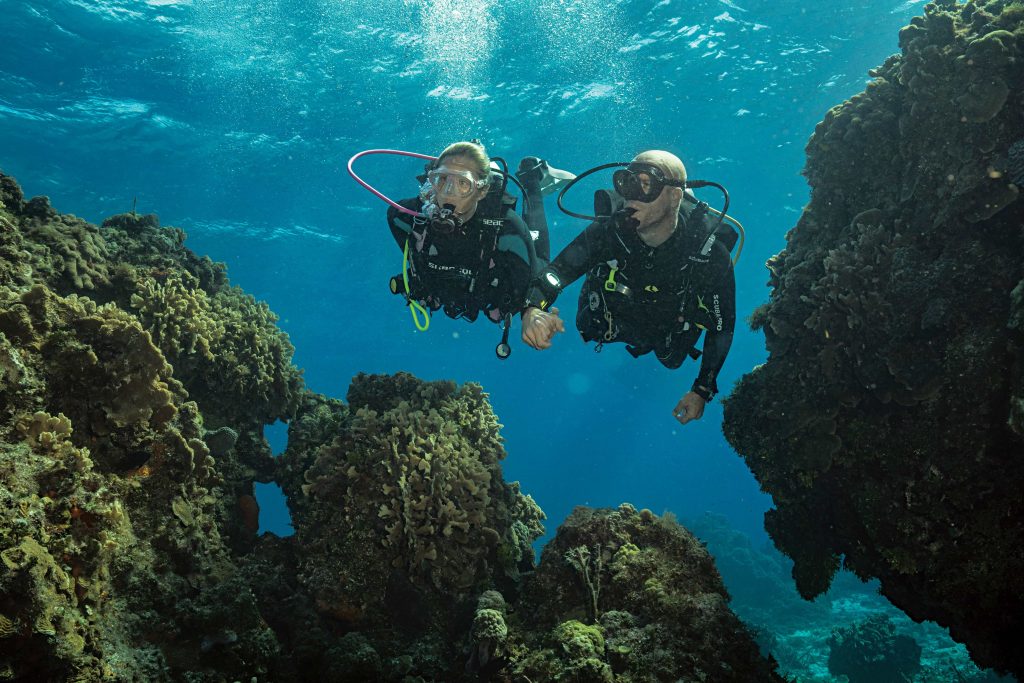
Cozumel earns its reputation. Coral reefs, a wide range of marine life, clear water and sites that suit every level: that mix is why scuba divers keep coming back. Palancar's gardens, the current on Santa Rosa Wall, the pinnacles of Columbia, the tunnel at Devil's Throat. If you are looking for adventure and beauty underwater in the Mexican Caribbean, Cozumel is the place to start.